Part 3: The four pillars of Ayurvedic healing
People hear “cleansing” and imagine extremes.
Juice fasts.
Harsh purges.
A dramatic before-and-after story.
Classical Ayurveda is calmer than that.
In Ayurveda, cleansing is not a trend. It is a clinical idea with a clear purpose: to reduce the load on the system when there is build-up, strain, or stagnation, so digestion can recover and the body can restore balance.
The important part is this:
Shodhana is not for everyone, and it is not for every season of life.
It has a time, a place, and a pace.
Done well, it feels stabilising and clarifying.
Done badly, it can be depleting and aggravating.
This chapter explains what shodhana actually means, when it is appropriate, and why the word “detox” often creates confusion.
A gentle safety note
This chapter is educational. It does not diagnose you and it does not prescribe treatment.
If you are pregnant, breastfeeding, have a chronic condition, are under medical treatment, have had recent surgery, have an eating disorder history, or are currently depleted, cleansing should only be considered with qualified supervision.
If you have severe symptoms or anything urgent, seek medical care first.
Shodhana and shamana: two approaches Ayurveda uses
Ayurveda often works through two broad methods:
Shamana: pacifying and stabilising
This is the approach most people need first.
It means supporting the system to settle through:
- food changes
- routine and sleep protection
- gentle herbs when appropriate
- supportive therapies
- reducing overstimulation
Shamana is the art of calming imbalance without pushing the body too hard.
Shodhana: clearing and reducing the load
Shodhana is cleansing, yet not the “internet version”.
It is used when there is enough strength, enough supervision, and clear reasons to remove build-up or strain.
Shodhana is not the start of care for most people.
It usually comes after stabilisation.
A simple way to remember it:
Shamana steadies the system.
Shodhana clears the system when clearing is appropriate.
Why “detox” language often fails
The modern word “detox” gets used for everything.
It can mean:
- cutting sugar for a week
- drinking juices
- fasting
- sweating
- colon cleansing
- taking supplements
That vagueness is why it confuses people.
Ayurveda is more specific.
It asks:
- What is the pattern?
- What is building up?
- Where is it building up?
- Is digestion strong enough for cleansing?
- Is the nervous system stable enough for cleansing?
- What is the safest method and pace for this person?
So in Ayurveda, cleansing is not a moral act and it is not a punishment for eating.
It is a clinical choice made when conditions are right.
Who can benefit from shodhana
In Ayurvedic thinking, shodhana may be considered when there are signs of build-up, heaviness, or recurring imbalance that does not shift with simple stabilisation.
People sometimes describe this as:
- feeling heavy after even simple meals
- recurring congestion and “sticky” tiredness
- sluggish appetite with cravings
- recurring skin flare-ups linked to digestion
- feeling mentally foggy and dull
- elimination that never feels complete
- a sense of being weighed down inside
These are not diagnoses. They are pattern clues.
A real decision depends on the person’s strength, stage of life, sleep, stress load, and medical context.
Who should avoid cleansing, or delay it
A mature Ayurveda approach will delay cleansing when someone is:
- very depleted or underweight
- severely anxious, overstimulated, or not sleeping
- recovering from illness, grief, burnout, surgery, childbirth
- pregnant or breastfeeding
- managing unstable medical conditions
- taking medicines that make cleansing risky
- experiencing irregular eating patterns or disordered eating tendencies
In these situations, the safer first move is usually:
- strengthen digestion gently
- build routine and sleep
- nourish tissues
- reduce stimulation
Cleansing without reserves can drain the system further.
The most important part of shodhana is preparation
In Ayurveda, preparation is not optional.
It is what makes clearing safer.
Preparation is often called purva karma, and it can include:
- deepana and pachana: gently supporting digestion and processing
- snehana: internal or external oleation in the right person
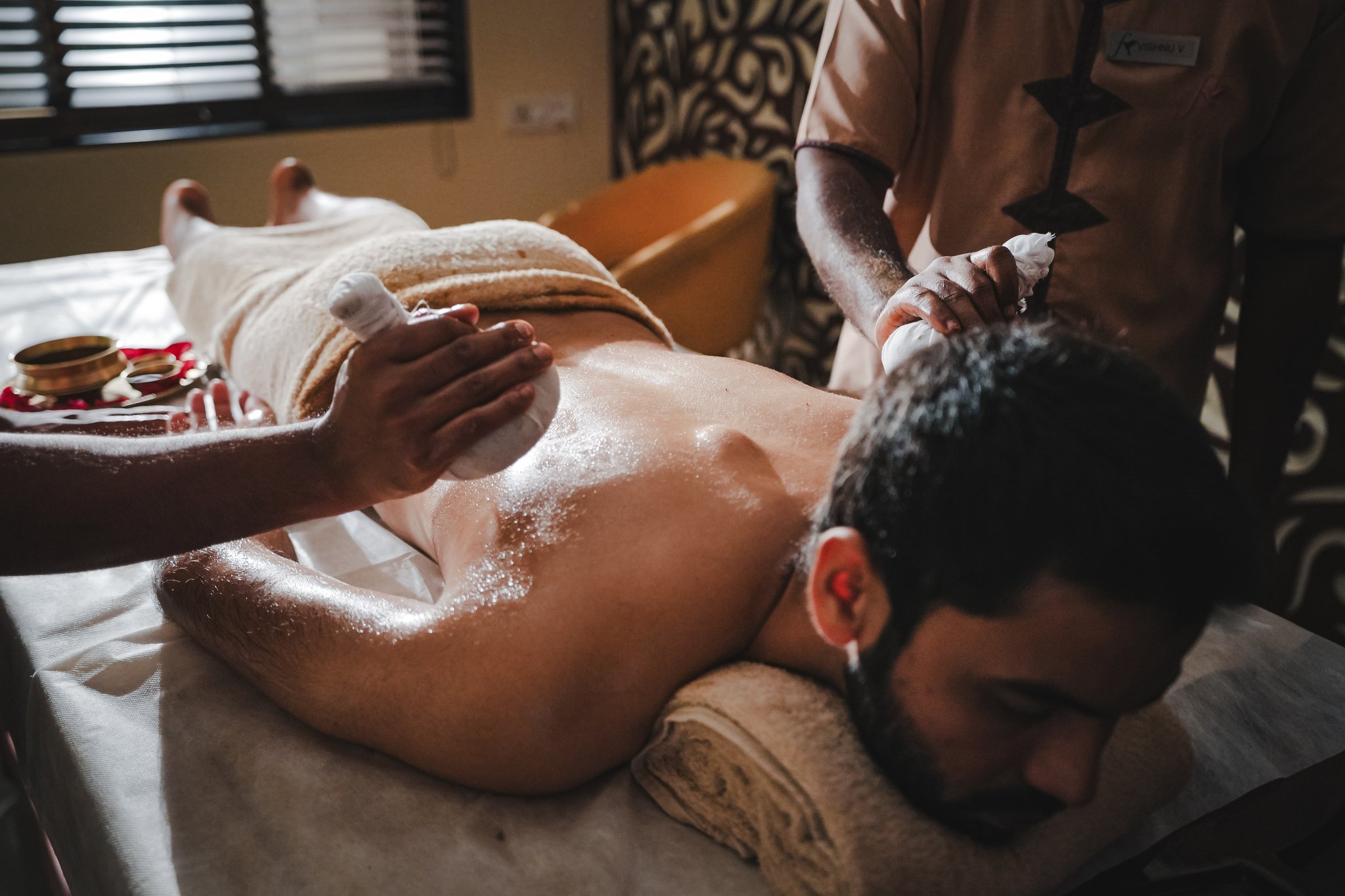
- swedana: gentle heat or sweating therapies in the right person
- simplified food that reduces load and supports agni
This is why high-quality Ayurveda does not rush.
The body is guided into a clearing state, not pushed into one.
What cleansing is really trying to do
At its best, shodhana supports a few simple outcomes:
- clearer appetite signals
- lighter digestion
- better elimination
- steadier sleep
- calmer cravings
- less reactivity in the body and mind
Notice what is missing:
It is not chasing a number on a scale.
It is not chasing “purity”.
It is not chasing a dramatic story.
It is restoring function.
Signs you may be ready for gentle clearing
Read this as a self-awareness guide, not as permission to self-prescribe.
A person is often more ready when:
- sleep is fairly stable
- appetite is present, even if imperfect
- energy is not collapsing daily
- elimination is regular enough
- mood is not highly unstable
- there is willingness to slow down and rest
- life is not in a crisis season
If those are not present, stabilisation first is usually wiser.
Try This: a shodhana-inspired reset that is safe and gentle
This is not Panchakarma.
This is not a strong cleanse.
It is a simple reset that many people can do safely.
If you have a medical condition, are pregnant, breastfeeding, or on medication, check with a clinician before making changes.
A 3-day digestion lightening reset
For 3 days:
- Keep meals simple
Choose warm, cooked foods with fewer ingredients. - Eat at steady times
No grazing. No late-night eating. - Make dinner lighter than lunch
Earlier if you can. - Walk 10 minutes after meals
Gentle movement supports flow. - Reduce stimulation after 8 pm
Your nervous system is part of digestion. - Hydrate steadily
Warm water or room temperature works for many people.
Then observe:
- appetite clarity
- heaviness after meals
- sleep depth
- morning tongue coating
- mood steadiness
- elimination comfort
If you feel worse, stop and return to normal balanced eating. A reset should feel supportive, not harsh.
Questions to ask before any deeper cleansing
If you are considering a deeper programme, these questions protect you:
- What makes you think cleansing is appropriate for me now?
- Do you see signs of ama, and what are they?
- Do I need stabilisation first, and for how long?
- What is the preparation phase, and what is the goal of it?
- What are the risks in my case?
- What would tell us to slow down or stop?
- What does aftercare look like, and how long is it?
A good practitioner welcomes these questions.
How Fazlani Nature’s Nest approaches cleansing
A responsible retreat does not treat cleansing as a product.
At Fazlani Nature’s Nest, the principle is simple:
- assessment first
- personalise the approach
- stabilise the nervous system
- support digestion
- use gentle, supervised clearing when appropriate
- focus on recovery and rebuilding after
This keeps the work safe, and it keeps the results more stable after you return home.