Appendix A: Full Glossary (A-Z)
Plain-English meanings for key Sanskrit and Ayurveda terms.
Spellings can vary by school and region. Meanings are consistent enough to support guest conversations and basic understanding.
Jump to a letter
A
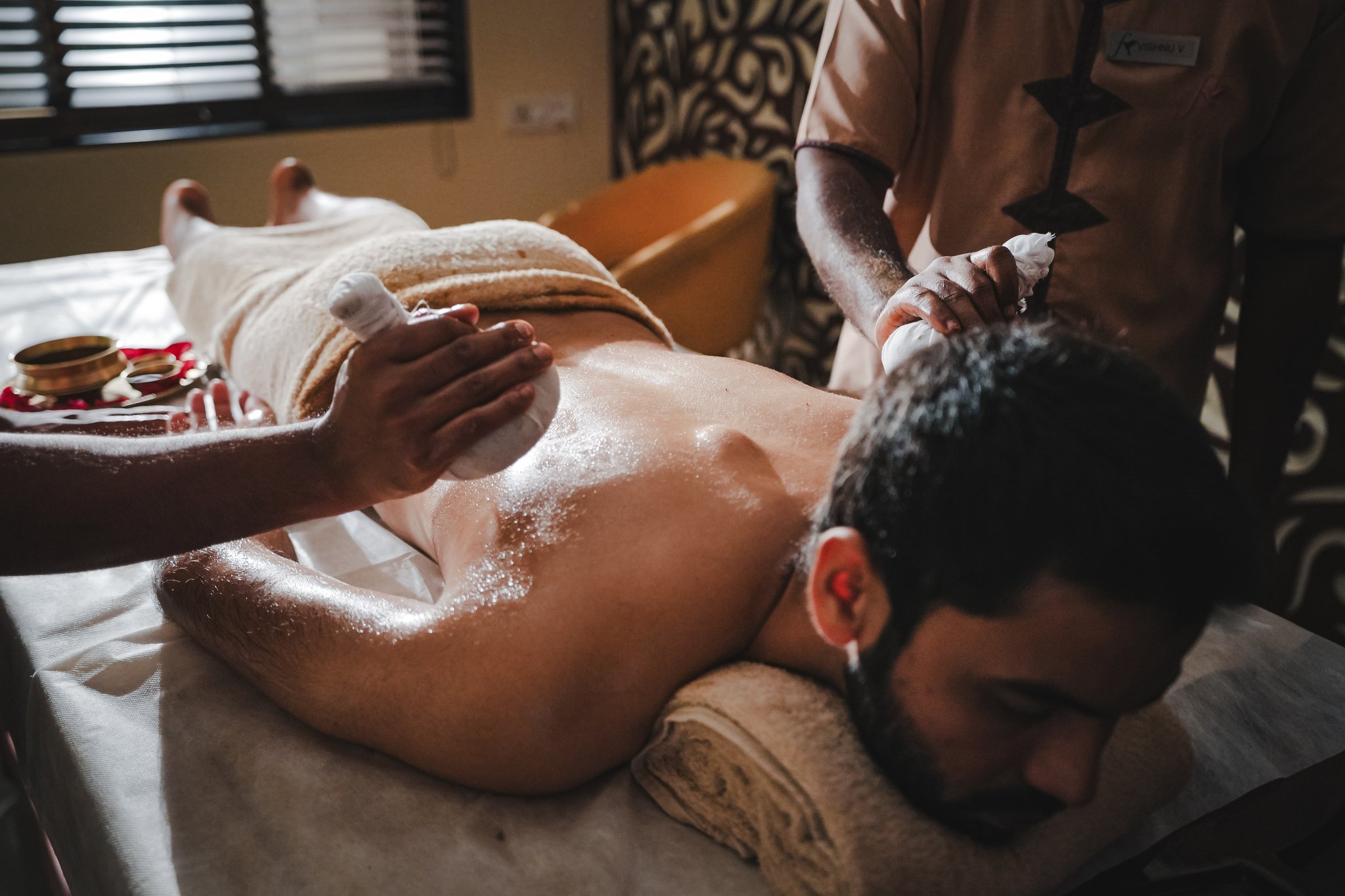
- Abhyanga
- Oil massage, done by a therapist or as gentle self-care. Used to support warmth, steadiness, and dryness patterns.
- Achara Rasayana
- Rejuvenation through conduct. Daily behaviours that build reserve, clarity, and resilience.
- Acharya
- A respected teacher or senior authority in a tradition.
- Agnikarma
- A classical heat-based procedure used in clinical contexts. Always clinician-led.
- Agni
- Digestive and metabolic capacity. The body’s ability to transform food and experiences into usable energy and nourishment.
- Ahara
- Food and diet, including timing, preparation, and the state you eat in.
- Ahamkara
- I-making. The sense of ego or personal identity.
- Akasha
- Space element. Capacity, openness, the room that allows function.
- Alochaka Pitta
- A subtype of Pitta linked with vision and perception.
- Ama
- Residue of incomplete digestion and processing. Often linked with heaviness, fog, and sluggishness.
- Annavaha Srotas
- Channels related to food intake and digestive movement.
- Anupana
- The vehicle taken with a medicine or food (for example warm water, ghee, honey), chosen to guide action and digestion.
- Apana Vata
- A subtype of Vata linked with elimination and downward movement.
- Arishta
- Fermented herbal tonic. Clinician-guided use.
- Asana
- Yoga posture.
- Asava
- Fermented herbal tonic. Clinician-guided use.
- Ashta Ahara Vidhi Visheshayatana
- The eight factors that influence how food affects you (nature of food, preparation, combination, quantity, place, time, eating rules, the eater).
- Ashta Sthana Pariksha
- Eightfold examination in Ayurveda (varies by lineage), often including pulse, urine, stool, tongue, voice, touch, eyes, and overall appearance.
- Asthi Dhatu
- Bone and structural tissue layer.
- Avalambaka Kapha
- A subtype of Kapha linked with chest support and stability.
- Avaleha / Lehyam
- Herbal jam or paste preparation. Clinician-guided use.
- Ayurveda
- Knowledge of life. A traditional system focused on balance, prevention, and personalised care.
B
- Basti
- Therapeutic enema therapy used in Ayurveda under supervision. Often central in Panchakarma plans.
- Bheda
- The sixth stage in Shadkriyakala, where patterns become more complex and differentiated.
- Bhava
- Inner state or mental attitude.
- Bhrajaka Pitta
- A subtype of Pitta linked with skin metabolism and complexion.
- Bhutagni
- The five elemental processing fires that support deeper transformation of nourishment.
- Bodhaka Kapha
- A subtype of Kapha linked with taste and saliva.
- Brahmacharya
- Wise use of energy and senses. Often linked with moderation and conservation of reserve.
- Brahmi
- A herb traditionally used to support mental clarity and calm, clinician-guided.
C
- Charaka Samhita
- A classical Ayurveda text focused on internal medicine and principles.
- Chikitsa
- Treatment or therapeutic approach.
- Chikitsa Sutra
- Treatment principle or guiding logic for a condition or pattern.
- Churna
- Herbal powder preparation.
- Chakra
- Energetic centre concept used in yoga traditions. Not required to practise Ayurveda well, used in some lineages.
- Chedana
- Scraping or reducing heaviness, often linked with Kapha reduction strategies.
D
- Darshana
- Observation (one part of classic assessment).
- Deepana
- Supporting appetite and digestive readiness.
- Desha
- Place, region, and climate. A key factor in how food and routine affect you.
- Dhara
- A therapy method where a continuous stream of liquid is applied (often on the forehead in Shirodhara).
- Dhatu
- Tissue layer. Ayurveda describes seven dhatus.
- Dhatvagni
- Tissue-level fires that govern transformation within each dhatu.
- Dinacharya
- Daily routine aligned to health and balance.
- Dosha
- Organising principle governing function. The three doshas are Vata, Pitta, Kapha.
- Drik Pariksha
- Eye observation in Ayurvedic assessment.
- Dushya
- Affected tissue or substrate where imbalance expresses.
E
- Ekadosha / Ekaja Prakriti
- A rare constitution described as predominantly one dosha.
F
- Fomentation
- Warming approach, commonly referred to as Swedana in Ayurveda.
G
- Ghrita
- Ghee, often used as a food and as a base for medicated ghee preparations.
- Greeva Basti
- Localised oil-holding therapy around the neck region.
- Grishma
- Summer season (traditional seasonal classification).
- Guna
- Quality or attribute (for example hot, cold, dry, oily, heavy, light). Also refers to the three mind qualities: sattva, rajas, tamas.
- Guduchi
- A herb traditionally used in Ayurveda, clinician-guided.
H
- Hrid Basti
- Localised oil-holding therapy around the chest region.
- Hatha Yoga
- A branch of yoga focused on physical practice and breath.
- Hita
- Beneficial, suitable, wholesome (often used in food and lifestyle context).
I
- Indriya
- Sense organs and sensory function.
- Ishvara Pranidhana
- Surrender or devotion principle from yoga traditions, used by some practitioners as a mental anchor.
J
- Jala
- Water element. Cohesion, lubrication, fluidity.
- Jatharagni
- Main digestive fire governing digestion and assimilation.
- Jihva
- Tongue (used in assessment).
- Janu Basti
- Localised oil-holding therapy around the knee region.
K
- Kala
- Time. Includes time of day and seasonal timing.
- Kalabasti / Yoga Basti
- Structured basti schedules (specific clinical patterns), clinician-led.
- Kapha
- Dosha of structure and stability (earth + water). Linked with nourishment, lubrication, steadiness.
- Karna Purana
- Ear oil therapy administered under supervision.
- Kashaya / Kwatha
- Herbal decoction (simmered preparation).
- Kati Basti
- Localised oil-holding therapy around the lower back.
- Kledaka Kapha
- A subtype of Kapha linked with stomach lubrication and protection.
- Kosha
- Sheath concept used in yoga philosophy. Not required for basic Ayurveda practice.
- Krimi
- A term used in classical texts for organisms/infestations (context varies).
- Kshara
- Alkaline preparation used in certain classical procedures, clinician-led.
- Kshara Sutra
- A specialised clinical procedure (often for fistula), always clinician-led.
- Kshudha
- Appetite and hunger signals.
L
- Langhana
- Lightening approach. Used when heaviness or load is high, clinician-guided.
- Lepa
- Herbal paste or pack applied to the body.
- Lobha
- Greed or grasping (mental quality in some frameworks).
M
- Mala
- Waste products. Commonly discussed: stool (purisha), urine (mutra), sweat (sweda).
- Manas
- Mind.
- Manovaha Srotas
- Functional channels linked with mind and perception (term used in some lineages).
- Marma
- Vital points where multiple structures meet. Applied gently and skillfully.
- Mamsa Dhatu
- Muscle tissue layer.
- Meda Dhatu
- Fat and lubrication tissue layer.
- Mudra
- Gesture or seal used in yoga and meditation traditions.
- Mutra
- Urine (a main mala).
- Mutravaha Srotas
- Channels related to urine flow and urinary function.
N
- Nadi
- Pulse and also channel in some contexts.
- Nadi Pariksha
- Pulse assessment in Ayurveda (usage varies by lineage).
- Nasya
- Nasal therapy, clinician-led.
- Nidana
- Causes and triggers.
- Nidana Panchaka
- Fivefold diagnostic method (varies by lineage) to understand cause, symptoms, path, and progression.
- Nidra
- Sleep.
- Nirama
- Without ama (cleaner pattern, less sticky load).
- Niruha Basti
- A type of basti using a decoction-based mixture, clinician-led.
- Nourishment models
- Classic metaphors for how dhatus are fed (irrigation model, milk-to-yoghurt model, grain-and-birds model).
O
- Ojas
- Deep reserve and resilience. Often felt as steadiness, recovery capacity, and inner stability.
- Oleation (Snehana)
- Oil-based preparation, external or internal, clinician-guided.
P
- Pachana
- Supporting processing and reduction of ama through digestion support.
- Panchakarma
- Classical cleansing and restorative process (phased), clinician-led.
- Pancha Mahabhuta
- The five great elements (space, air, fire, water, earth).
- Pitta
- Dosha of transformation (fire + water). Linked with metabolism, heat, focus, intensity.
- Prabhava
- Specific action of a substance not explained only by taste and qualities.
- Pradhana Karma
- Main Panchakarma procedures phase.
- Prakopa
- Second stage of Shadkriyakala (aggravation).
- Prakriti
- Baseline constitution.
- Prana
- Vital current, closely linked with breath and nervous system vitality.
- Pranavaha Srotas
- Channels related to breath and prana function.
- Pranayama
- Breath practice.
- Prasara
- Third stage of Shadkriyakala (spread).
- Pratimarsha Nasya
- Very small-dose nasal oil practice in some traditions, clinician-guided.
- Prajnaparadha
- Mistake of the intellect. Repeated choices that go against wellbeing, often under stress and overstimulation.
- Purisha
- Stool (a main mala).
- Purva Karma
- Preparation phase before main Panchakarma procedures.
R
- Rajas
- Mind quality of agitation, movement, drive, restlessness.
- Rakta Dhatu
- Blood tissue layer.
- Raktamokshana
- Classical blood-related procedure, highly restricted and clinician-led.
- Rasa
- Taste, and also first nourishment tissue (rasa dhatu) depending on context.
- Rasa Dhatu
- Fluids and first nourishment layer after digestion.
- Rasayana
- Rejuvenation direction of care aimed at rebuilding reserve and steadiness.
- Rasavaha Srotas
- Channels related to circulation of first nourishment.
- Ritucharya
- Seasonal routine and seasonal intelligence.
- Roga
- Condition or disease pattern.
- Rogi
- The person (the patient).
- Rukshana
- Drying/lightening approach used when heaviness is high, clinician-guided.
S
- Sadhaka Pitta
- A subtype of Pitta linked with mental processing, ambition, emotional heat.
- Sadvritta
- Good conduct and supportive habits that protect the mind and social harmony.
- Samagni
- Balanced digestion.
- Samana Vata
- A subtype of Vata linked with digestion coordination and appetite rhythm.
- Samanya Vishesha
- Principle that like increases like, opposites restore balance.
- Samprapti
- How a pattern develops over time (pathogenesis).
- Sama
- With ama present (sticky, reactive, loaded pattern).
- Sanchaya
- First stage of Shadkriyakala (accumulation).
- Satmya
- Suitability and habituation. What suits one person due to long adaptation.
- Sattva
- Mind quality of clarity and steadiness.
- Shad Rasa
- The six tastes (sweet, sour, salty, pungent, bitter, astringent).
- Shadkriyakala
- Six stages of imbalance progression.
- Shamana
- Pacifying and stabilising approach (food, routine, gentle support).
- Shleshaka Kapha
- A subtype of Kapha linked with joint lubrication.
- Shirodhara
- Continuous stream therapy over the forehead, clinician-guided.
- Shirovasti
- Head oil retention therapy, clinician-led.
- Shiro Pichu
- Oil-soaked pad applied to head region, clinician-guided.
- Shodhana
- Clearing approach (cleansing) used when appropriate and supervised.
- Shodhana Nasya
- Clearing type of nasya, clinician-led.
- Shukra / Artava Dhatu
- Reproductive vitality tissue layer (male and female contexts respectively).
- Snehana
- Oleation, external or internal, clinician-guided.
- Sparshana
- Touch assessment (one part of classic assessment).
- Srotas
- Channels and pathways in the body.
- Srotodushti
- Disturbance of channels (obstruction, excess, weakness, misdirection, dryness).
- Sthana Samshraya
- Fourth stage of Shadkriyakala (localisation).
- Sushruta Samhita
- Classical Ayurveda text with strong surgical and procedural emphasis.
- Sweda
- Sweat (a main mala).
- Swedana
- Therapeutic heat and sweating therapies.
T
- Tamas
- Mind quality of heaviness, inertia, fog, shutdown.
- Taila
- Oil, often medicated in therapy contexts.
- Tejas
- Inner brightness and transformative clarity.
- Tikshnagni
- Sharp digestion pattern (often heat-driven).
- Tridosha
- The three doshas: Vata, Pitta, Kapha.
- Triphala
- Classical three-fruit formula often used in Ayurveda, clinician-guided.
- Tarpaka Kapha
- A subtype of Kapha linked with nourishment of the nervous system and sense organs.
U
- Udakavaha Srotas
- Channels related to water regulation.
- Udana Vata
- A subtype of Vata linked with voice, expression, upward movement.
- Udvartana
- Powder massage therapy, often used for heaviness and stagnation patterns.
- Upanaha Sweda
- Warm paste or poultice-style heat therapy, clinician-guided.
- Upayoga-samstha
- Rules of eating (timing, attention, quantity, suitability).
- Upayokta
- The eater (your constitution, current state, digestion, lifestyle, season).
V
- Vaidya
- Ayurvedic doctor or practitioner.
- Vamana
- Therapeutic emesis procedure, clinician-led.
- Vata
- Dosha of movement (space + air). Linked with nerves, circulation, elimination, dryness, variability.
- Vatahara
- Vata-calming direction (warmth, steadiness, nourishment).
- Vayu
- Air element. Movement, messaging, change.
- Vihara
- Lifestyle and daily living, including sleep, movement, recovery, rhythm.
- Virechana
- Therapeutic purgation procedure, clinician-led.
- Virya
- Heating or cooling potency of a substance.
- Vipaka
- Post-digestive effect of a substance.
- Vyakti
- Fifth stage of Shadkriyakala (manifestation).
- Vyana Vata
- A subtype of Vata linked with circulation and distribution through the body.
Y
- Yoga
- Union and disciplined practice. Here, yoga is used as a supportive tool for movement, breath, and steadiness.
- Yoga Nidra
- Guided deep rest practice (yogic sleep) used for nervous system settling.
- Yukti
- Intelligent application of principles; practical reasoning in Ayurveda.
Z
- Zzz
- The only thing you need to remember at the end of this glossary: protect your sleep runway.