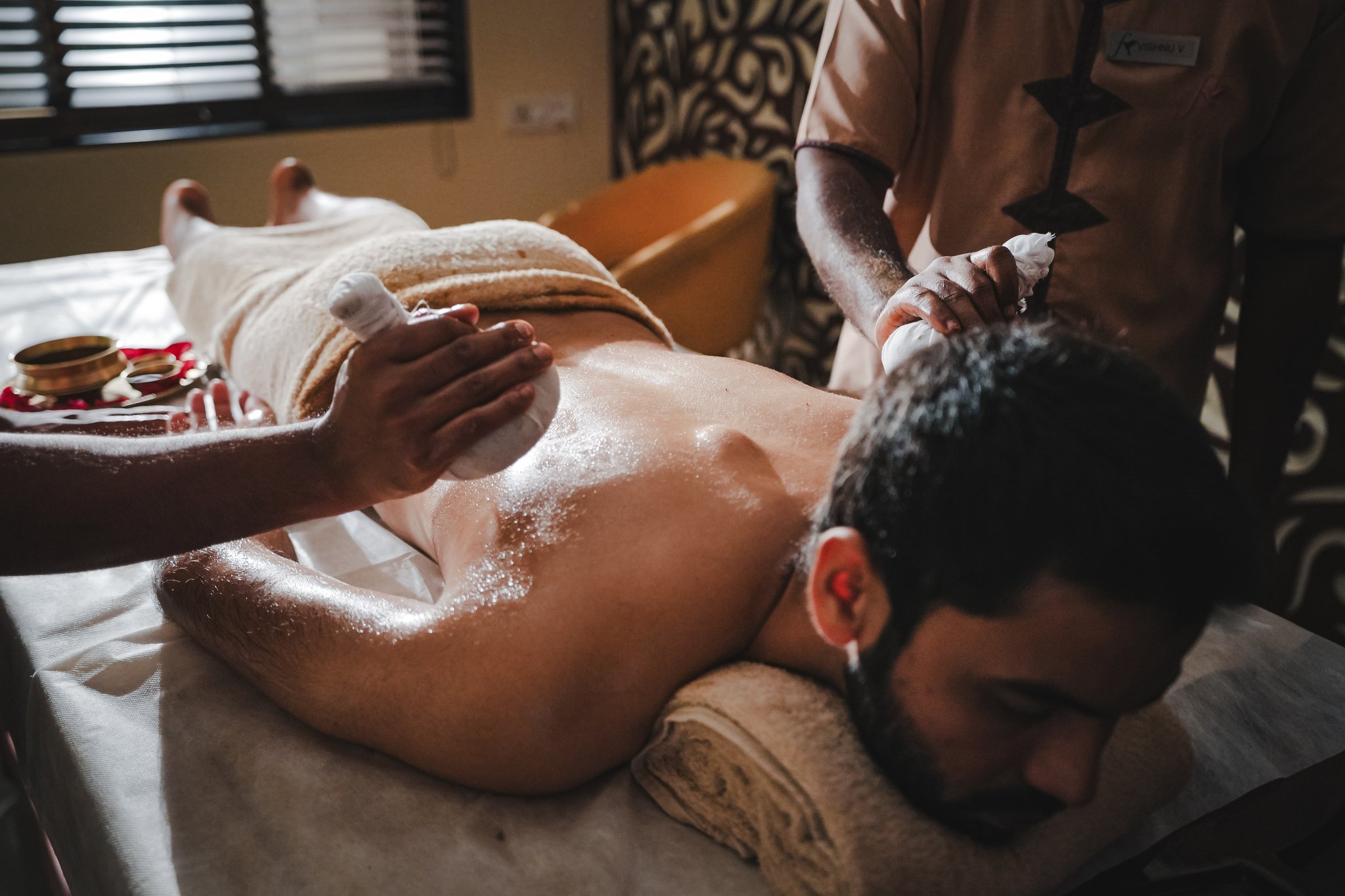
Panchakarma, explained clearly.
Panchakarma is a clinician-led Ayurveda programme. It is not a trendy cleanse. Done properly, it follows a calm sequence: preparation, selected therapies or procedures, then a return to normal routine with aftercare.
If you’re considering Panchakarma in India, start with the right questions. Your body, your medical context, and your timing matter.
What Panchakarma is
Panchakarma is a structured approach used in Ayurveda to reduce load and support function when it suits the person. Most people do not do “everything”. A safe plan is chosen and adjusted after assessment.
What it is not
- A one-size “detox week”
- A fixed menu sold to everyone
- A replacement for urgent medical care
- Something to self-prescribe at home
Who it can suit
A clinician may consider Panchakarma when someone is stable enough to rest and the pattern feels stuck. For example, long-running heaviness, repeated digestive strain, or stress patterns that are not shifting with simpler changes.
Who should be cautious
Panchakarma is commonly delayed or modified for pregnancy, breastfeeding, recent surgery, severe depletion, severe insomnia, or complex medical conditions. If you take prescription medication, safety and supervision come first.
How long should I stay
Length shapes what’s realistic:
- 5 nights can help you start rhythm and settle the system
- 7 nights gives more space for adjustment and observation
- 14 nights gives more runway for deeper progress and aftercare planning
Read next
- Panchakarma, explained simply (what it is, what it isn’t, and who should be cautious)
- Who should be cautious with detox
- How to choose programme length: 5 vs 7 vs 14 nights
Start with a question
If you’re unsure what’s appropriate, request a programme plan. A short note about your goal, your timing, and any medical context is enough to begin.
Prefer WhatsApp? Use the chat icon on this page and we’ll guide you to the right next step.