Part 6: Ritucharya
The same body can feel like three different bodies across the year.
In summer, you might feel sharper, hotter, more reactive, or just drained.
In monsoon, digestion can wobble and the system can feel damp, heavy, or unpredictable.
In winter, appetite often strengthens, and the body either rebuilds beautifully or dries out if routine slips.
Ayurveda does not see this as random.
It sees it as the most normal thing in the world: your inner environment responds to the outer environment.
This chapter gives you a simple seasonal map for India, so you understand what changes in the body and how to adjust gently.
A simple seasonal rule that works
When the environment changes, your habits should shift slightly too.
Not dramatically.
Not as a new identity.
Just enough to keep your digestion, sleep, mood, and energy steady.
Think in qualities:
- Hot season asks for cooling and simplicity
- Damp season asks for warmth and steadiness
- Cold season asks for nourishment and warmth, with enough movement to keep flow alive
What usually changes first when seasons shift
Seasonal imbalance often shows up in one of these first:
- Appetite changes
- Digestion changes
- Sleep depth changes
- Skin changes
- Mood shifts
- Congestion or dryness
- Joint stiffness or aches
Ayurveda watches these early shifts because they are easier to correct than full flare-ups.
Summer in India: heat, dryness, and nervous system fatigue
Ayurveda often associates summer with rising heat and drying influence.
Even if you are not “heat prone”, summer can still make you feel:
- more thirsty
- less hungry or more picky
- more tired in the afternoon
- more irritable or impatient
- more prone to acidity or burning sensations
- more sensitive skin
What summer tends to push in the body
- Pitta qualities can rise: heat, sharpness, intensity
- Vata qualities can rise too, especially dryness and fatigue if hydration and sleep are not protected
Common summer signals
- Heat intolerance, feeling hotter than usual
- Acid reflux, burning digestion, mouth ulcers
- Skin flare-ups, rashes, prickly heat, irritation
- Light sleep, waking from heat, vivid dreams
- Appetite that drops, or appetite that becomes reactive
- Quick impatience and irritation, especially when hungry or tired
What helps in summer (simple and practical)
- Cooling simplicity in food
- Choose meals that digest cleanly and do not increase heat
- Keep spice modest, especially at dinner
- Include bitter and astringent tastes in balance (greens, gentle herbs, seasonal vegetables)
- Hydration that is steady
- Sip water through the day rather than chugging large amounts at once
- If you sweat heavily, add minerals through food rather than sugary drinks
- Protect the evening
- Heat at night is a common reason sleep becomes light
- Keep dinner earlier and lighter, and reduce late screen stimulation
- Avoid pushing the hottest hours
- Midday intensity and harsh workouts can push heat higher
- Move in cooler parts of the day when possible
Try This: the “summer steady” day
- Morning: light movement, breath, calm start
- Lunch: your main meal, simple and nourishing
- Afternoon: shade, hydration, less caffeine
- Dinner: lighter, earlier, modest spice
- Evening: screens down earlier, cooler room, slow breathing
Summer health is not about restriction.
It’s about reducing heat load and protecting sleep.
Monsoon in India: dampness, weaker digestion, and variability
Monsoon is one of the most important seasons in Ayurveda because it often changes digestion and flow quickly.
Many people notice during monsoon:
- more bloating
- more heaviness after meals
- more variable stools
- more congestion
- more joint aches
- more low mood or mental fog
What monsoon tends to push in the body
- Digestion often becomes weaker or more irregular
- Vata can become aggravated due to wind, movement, and variability
- Kapha can rise due to dampness and heaviness
It’s a season where simple food choices make a big difference.
Common monsoon signals
- Bloating and gas that were not there before
- Heaviness after meals
- Loose stools or irregular stools
- Increased mucus, congestion, sinus heaviness
- Joint stiffness or aches, especially in humidity
- Skin issues that worsen in dampness
- Low motivation, foggy mornings
What helps in monsoon (simple and practical)
- Warm cooked meals most of the time
- Monsoon is usually not the time for lots of raw salads
- Soups, dals, cooked vegetables, simple grains often land better
- Gentle digestive spice
- Use spice to support digestion, not to “punish” the body
- Ginger, cumin, coriander, fennel style support often suits many people
- Keep food and body dry and warm
- Dampness increases heaviness and congestion
- Warm showers, dry clothes, and avoiding sitting in wet clothing matters more than people think
- Safe water and clean food
- Monsoon can change water quality and gut sensitivity
- Keep hydration clean and consistent
- Earlier dinner and calmer evenings
- Monsoon digestion often does not love late heavy meals
- Sleep protection helps the immune system and the gut
Try This: the “monsoon digestion support” week
For 7 days:
- Make lunch the most complete meal
- Keep dinner light and earlier
- Reduce raw foods
- Walk after meals
- Avoid heavy fried foods and very sweet late snacks
- Reduce evening screens and protect sleep
Monsoon rewards consistency.
Winter in India: stronger appetite, rebuilding, and dryness risk
Winter often strengthens appetite and makes the body more capable of deeper nourishment.
Many people notice:
- hunger feels stronger and more regular
- sleep can deepen
- strength and stamina can improve
- cold and dryness can also rise, especially in Vata patterns
What winter tends to push in the body
- Appetite and digestive strength often rise for many people
- Vata can rise due to cold and dryness
- Pitta heat tends to calm down compared to summer
Winter can be an excellent season to rebuild tissues, as long as you do not become heavy and sluggish from overeating and inactivity.
Common winter signals
- Strong hunger and stronger cravings for nourishing foods
- Dry skin, dry stool, stiffness
- Cold hands and feet
- Joint stiffness, especially in the morning
- Slower mornings, needing more warmth to “start”
- If overdone: heaviness, sluggish digestion, congestion
What helps in winter (simple and practical)
- Nourishing warm meals
- Warm cooked meals with healthy fats can support ojas and calm Vata dryness
- Soups, stews, dals, cooked grains and vegetables often suit winter well
- Keep digestion strong, not overloaded
- Winter appetite can tempt overeating
- Eat to satisfaction, not sedation
- Protect dryness
- Warmth, hydration, and a little oil support can help
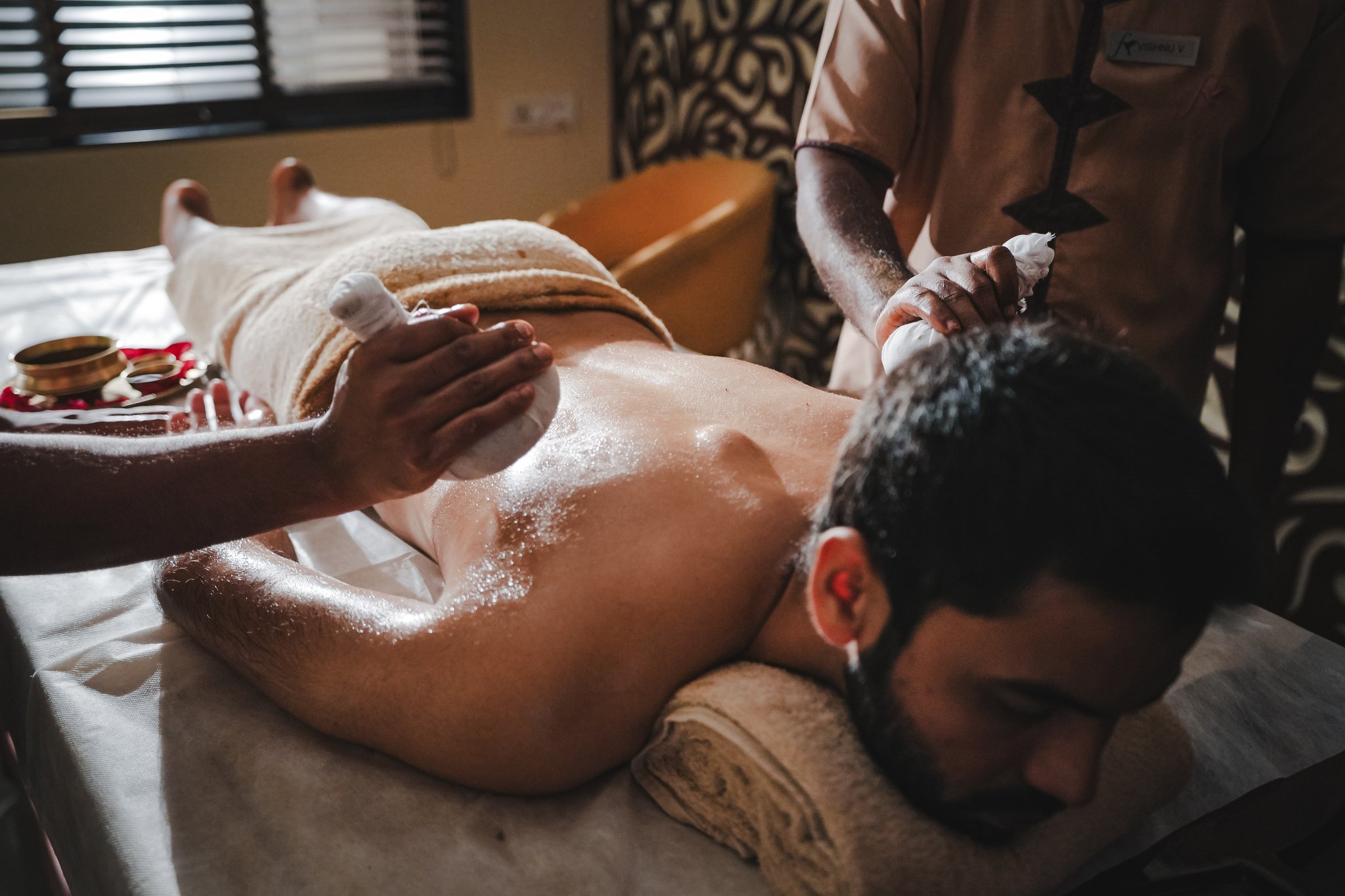
- Abhyanga can be especially supportive if you tend to dry out
- Move more than you think
- Winter makes the body want to curl inward
- Gentle movement keeps circulation and joints happier
Try This: the “winter rebuild” day
- Morning: warm water, movement, warm breakfast if hungry
- Lunch: most complete meal
- Afternoon: short walk, steady hydration
- Dinner: lighter than lunch, earlier
- Evening: warmth, calm, deep sleep habits
Winter is often the best season to build reserves, if you keep rhythm and do not let heaviness take over.
A simple seasonal cheat sheet
Summer
- What rises: heat, intensity, dryness fatigue
- What you may notice: reflux, irritability, skin flare-ups, light sleep
- What helps: cooling simplicity, earlier evenings, steady hydration
Monsoon
- What rises: damp heaviness, variability, weaker digestion
- What you may notice: bloating, irregular stools, congestion, joint aches
- What helps: warm cooked food, gentle digestive spice, dry warmth, routine
Winter
- What rises: appetite, rebuilding capacity, dryness and cold
- What you may notice: stronger hunger, dry skin, stiffness, cold limbs
- What helps: nourishing warmth, healthy fats in moderation, movement, sleep protection
Ask your Vaidya: seasonal questions that make this personal
- In this season, what pattern do you see most in me: heat, dryness, or heaviness?
- What should I prioritise first: digestion, sleep, elimination, or nervous system settling?
- Which foods should I reduce for this season, and which foods should I increase?
- Should my dinner be lighter right now, even if my appetite is strong?
- What are the early warning signs for me in this season?