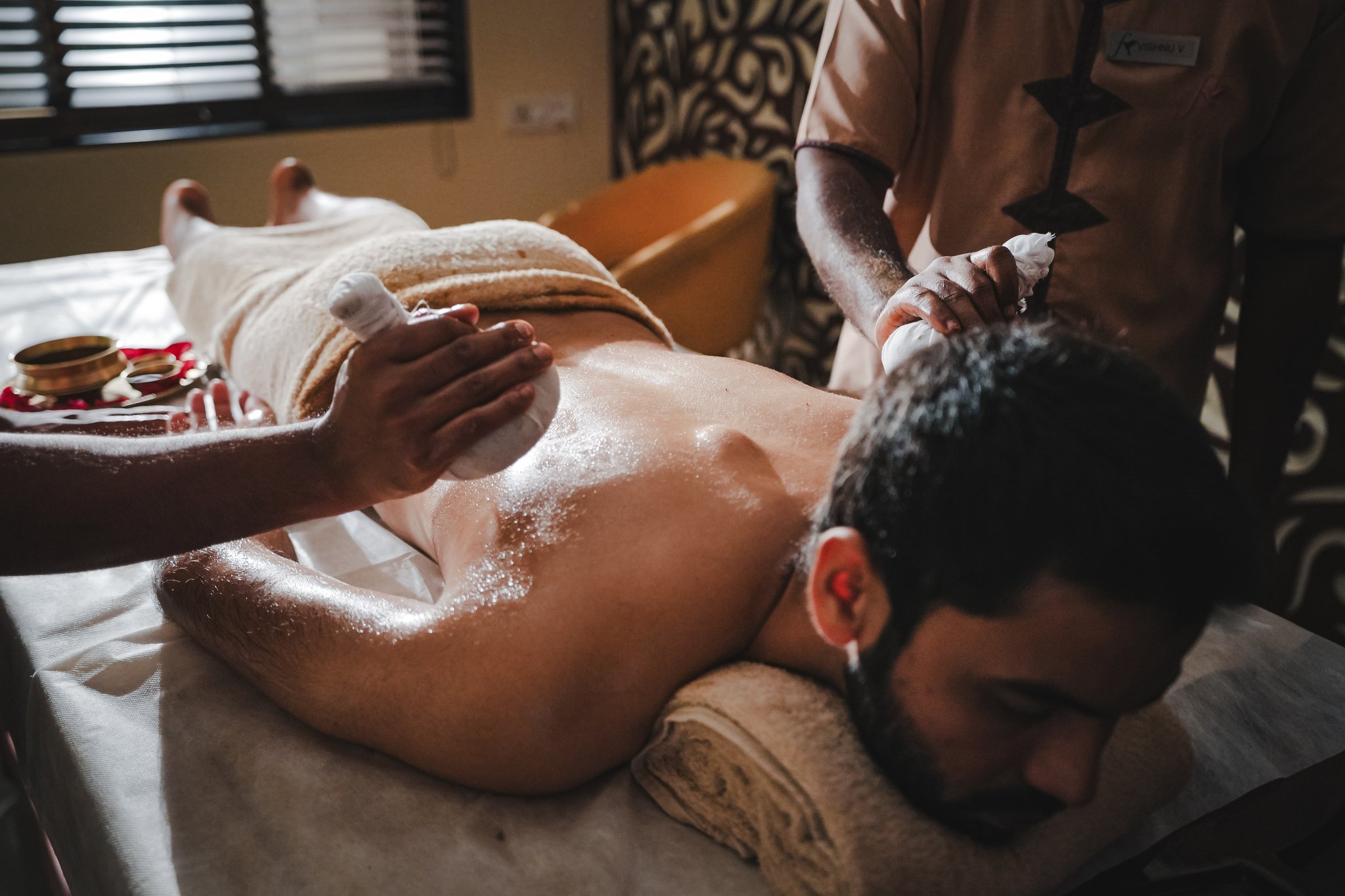
There are many retreats that use the word “Ayurveda”. Some are careful and clinician-led. Some are basically a hotel with treatments. If you want a safe, meaningful experience, you need to ask the right questions before you pay a deposit.
This checklist is designed to protect you.
1) Who assesses me, and how is the plan personalised?
Ask:
- Who does the initial assessment?
- Is there a consultation before the programme begins?
- How often will someone check in and adjust the plan?
If the plan is fixed before anyone speaks to you, that’s a warning sign.
2) What do you screen for before accepting a guest?
Ask what they check for:
- medical history
- medications
- allergies and intolerances
- pregnancy and breastfeeding
- recent surgeries or serious illness
- mental health stability (sleep, anxiety, depression, trauma symptoms)
A safe retreat will be comfortable saying “not yet” or “we need to modify this”.
3) What does the programme actually include, in practical terms?
You don’t need a glossy menu. You need clarity.
Ask:
- What does a typical day look like for my goal?
- How much is therapy, how much is rest?
- What is the food approach and how is it decided?
- Is there movement or physiotherapy support if needed?
If the answer is vague, keep digging.
4) How do you handle medication safely?
This one matters more than most people realise.
Ask:
- Can I continue prescribed medication during the stay?
- If changes are suggested, who oversees that?
- What should never be stopped suddenly?
If anyone suggests stopping medication without proper medical coordination, treat that as a hard red flag.
5) What outcomes are realistic for my length of stay?
Good retreats talk about progress, not miracles.
Ask:
- What changes do people usually notice first?
- What might take longer?
- What would count as a realistic win in 5, 7, or 14 nights?
If the promise sounds too certain, be cautious.
6) What happens if I don’t respond well?
A safe retreat has a plan for discomfort and flare-ups.
Ask:
- What are common adjustment reactions?
- What are the warning signs?
- How do you modify the plan if I feel worse?
- Who decides and how quickly?
You want responsiveness, not stubbornness.
7) What does aftercare look like?
Aftercare is the difference between a holiday and a programme.
Ask:
- What should I continue at home?
- What should I avoid at first?
- Will I receive a simple plan in writing?
- Is there a follow-up option if needed?
If aftercare is unclear, the retreat may be more about the stay than the outcome.
8) What is your approach to detox and cleansing?
Ask directly:
- What do you mean by detox here?
- Who should not do it?
- How do you decide suitability?
- What does the programme do to protect sleep, digestion, and energy?
“Detox” without boundaries is risky.
9) What should I bring with me?
Ask:
- Do I need medical reports?
- Do I need to bring medication in original packaging?
- What is the simplest packing list for comfort?
A careful retreat will give you a calm checklist, not a complicated one.
10) How do you measure progress during the stay?
Ask:
- What are you observing daily?
- How will I know the plan is working?
- What does progress look like for my goal?
Good care is not guesswork.
Try this: the one question that reveals everything
Ask:
“If I do exactly what you recommend for seven days, what is the most realistic change I might notice first?”
If the answer is clear and grounded, you’re probably in good hands.
Medical note: This article is educational. If you have severe symptoms, complex medical conditions, or mental health concerns, seek appropriate professional guidance before travelling for any programme.