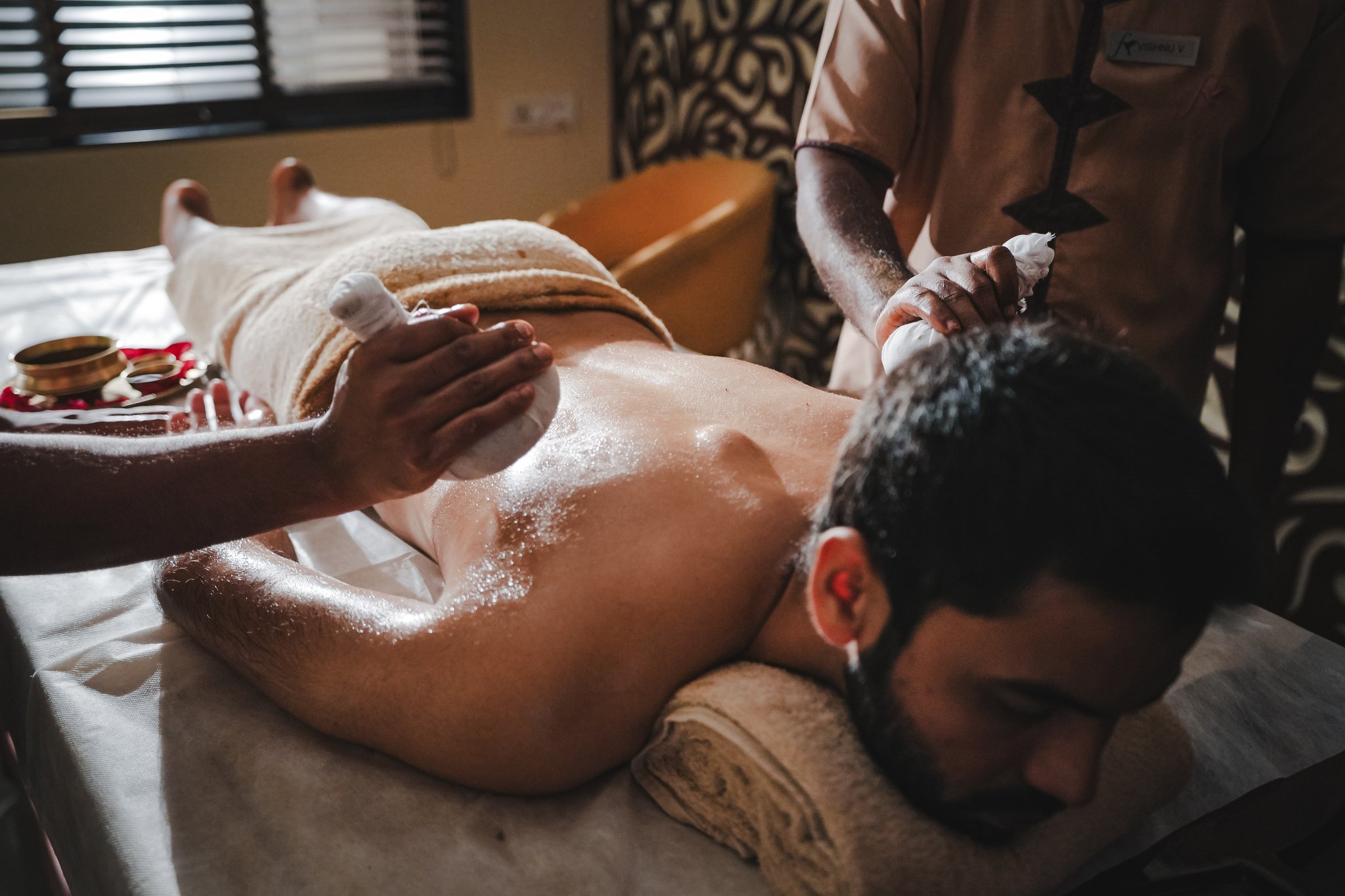
If you’ve never done a retreat before, you might imagine a packed schedule. Or you might imagine lying on a massage table all day. The truth is more grounded.
A good Ayurveda retreat day is built around one idea: steady rhythm. The body settles when it knows what’s coming next.
Here’s what a typical day often feels like.
Morning: quiet starts and warm routines
Most retreats begin gently.
You might wake up to:
- quieter surroundings than city life
- warm water or herbal tea
- time to breathe before you speak
Many people notice that the first shift is simply this: you stop rushing.
Some mornings include:
- gentle yoga, stretching, or walking
- breathing practices
- a calm breakfast
If your programme is sleep or stress support, mornings are usually kept soft rather than intense.
Consultations and check-ins: what keeps it safe
If a retreat is doing things properly, you’re not left alone with a fixed schedule.
You may have:
- an initial consultation at the start
- short check-ins during the stay
- adjustments based on how you respond
This is the part that makes the experience feel medical-led rather than spa-led.
Mid-morning: therapies or treatments (as prescribed)
This is when many people have their therapies.
The point isn’t indulgence. It’s support:
- easing tension and pain patterns
- supporting circulation and recovery
- settling nervous system overload
- helping digestion feel less strained
You should never feel pushed. If something feels too intense, you should be able to say so and have it adjusted.
Meals: consistent timing, lighter evenings
Food is usually part of the programme, not an afterthought.
Expect:
- meals at consistent times
- lunch often being the main meal
- dinner lighter and earlier
- warm, simple options that support digestion
Even if you don’t change anything else, the meal rhythm alone can shift sleep and energy.
Afternoon: rest, nature, and integration
A good retreat day includes time to do nothing.
That might look like:
- resting after therapies
- walking in nature
- sitting by water
- reading, journalling, or quiet time
- gentle group sessions, if offered
This is where people often realise how tired they have been. The nervous system needs space to land.
Evening: the downshift
Evenings are usually designed to help you switch off.
Many retreats keep the evening calm with:
- light dinner
- short walk
- gentle breathing or meditation
- early bedtime
This is not about being strict. It’s about giving your body a chance to recover.
What most people don’t expect
A few honest realities:
- The first day or two can feel strange if you’re used to constant stimulation.
- Some people feel emotionally soft when they finally stop running.
- You may feel tired in a new way, like the body is catching up.
- The real benefit often comes from repetition, not novelty.
Questions worth asking before you book
- How much of the day is structured, and how much is rest?
- Are therapies adjusted daily, or fixed?
- What does a “typical day” look like for my goal?
- How are sleep and evening routine supported?
- What happens if I feel overwhelmed or overly tired?
Try this (1 minute)
At some point today, do one minute of quiet.
No phone. No talking. No planning.
Just sit and let the body notice the room.
That’s the beginning of the retreat rhythm, even before you travel.
Medical note: This article is educational. If you have severe symptoms or complex medical conditions, seek professional guidance and ensure your programme is appropriate and supervised.