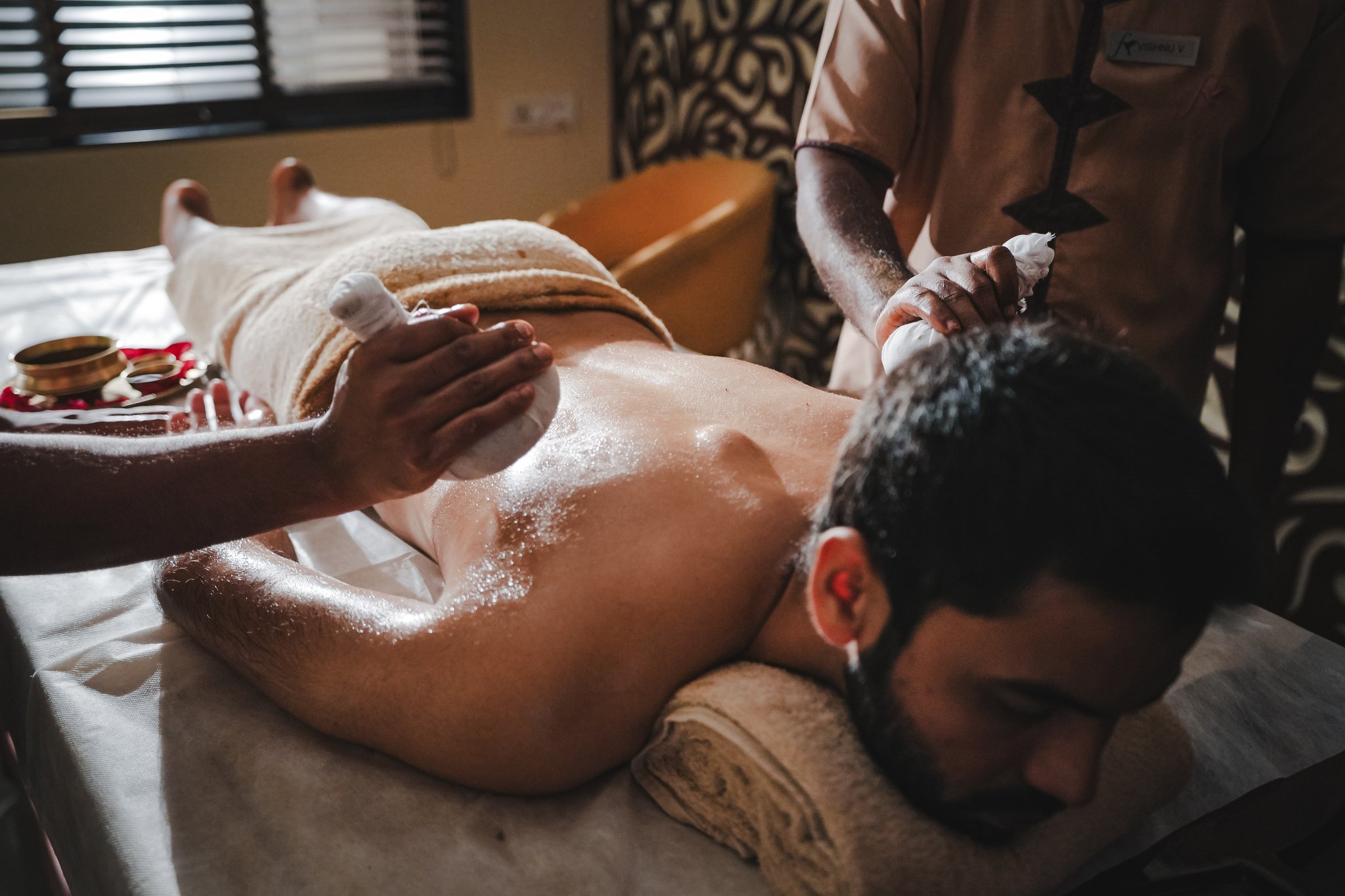
Part 9: Rasayana and long-term rejuvenation
Ageing is not a problem to solve.
It’s a season of life with its own intelligence.
In Ayurveda, healthy ageing is not about trying to stay 25 forever. It’s about staying steady. Comfortable in your body. Clear enough in your mind. Strong enough to enjoy your days. Resilient enough to recover.
This chapter focuses on four areas that matter most as we age:
- Joints and mobility
- Sleep depth and nervous system calm
- Digestion and appetite clarity
- Energy and recovery
If you support these four, a lot of other things fall into place.
A gentle safety note
This chapter is educational. It does not diagnose you.
If you have sudden severe pain, new numbness or weakness, chest pain, breathing difficulty, persistent fever, unexplained weight loss, persistent bleeding, or anything that feels urgent, please seek medical care.
Ayurveda can support healthy ageing alongside modern healthcare. It should never delay proper assessment.
What Ayurveda says changes with age
Ayurveda describes life stages in a simple way:
- Childhood tends to build and grow
- Adulthood tends to run hotter and more driven
- Later life tends to become lighter, drier, and more changeable
In practical terms, many people notice as they age:
- more dryness in skin and joints
- sleep becoming lighter
- digestion becoming more sensitive to timing and heaviness
- recovery taking longer
- nervous system becoming more sensitive to noise, stress, and late nights
This is not weakness. It’s a shift in qualities.
Ayurveda responds by adding the opposite qualities more consistently:
- warmth
- steadiness
- nourishment that digests cleanly
- regular movement
- calm evenings
1) Joints: mobility is the real wealth
Joints tend to feel their best when three things are present:
- Warmth
- Movement
- Lubrication
It’s rarely one dramatic therapy. It’s a steady pattern.
What often worsens joints over time
- long sitting without movement breaks
- cold exposure when you’re already stiff
- dehydration and irregular meals
- pushing through pain repeatedly
- heavy late meals that disturb sleep
- poor sleep, because the body repairs at night
What tends to support joints
- daily walking, even short
- gentle mobility every day
- strength that builds slowly, especially legs, hips, back
- warmth, especially in the evenings
- simple meals that reduce heaviness and inflammation patterns
- consistency in sleep
Try This: the joint-friendly daily minimum
- 10-minute walk after one meal
- 5 minutes of joint circles (ankles, knees, hips, shoulders)
- 30 seconds of calf stretch each side
- 6 slow breaths before bed
This is small and it adds up fast.
2) Sleep: deeper sleep becomes more valuable with age
As we age, sleep often becomes lighter. That makes evenings more important, not less.
The goal is not to chase perfect sleep. The goal is to create conditions where sleep can deepen naturally.
What often disrupts sleep as we age
- late dinners
- screens and mental stimulation late at night
- alcohol
- caffeine too late
- stress with no downshift
- very cold bedroom for people who run cold
What supports sleep quality
- lighter, earlier dinner
- gentle downshift before bed
- warmth in the body (warm shower, socks, warm drink if suitable)
- consistent sleep window
- breath that lengthens the exhale
Try This: the 5-minute sleep runway
- Phone away
- Lights softer
- Inhale through the nose for 4
- Exhale through the nose for 6
- Repeat 10 times
This is nervous system hygiene. It works because it’s simple.
3) Digestion: agni often needs more respect with age
Digestion becomes less forgiving when:
- meals are late
- meals are heavy
- meals are rushed
- sleep is poor
Many people find that ageing well is mostly about protecting digestion and sleep.
What supports digestion over time
- regular meal timing
- lunch as the most complete meal
- dinner lighter than lunch
- warm cooked meals more often than cold meals
- fewer ingredients when digestion feels sensitive
- walking after meals
Try This: the digestion-friendly rhythm
- 3 clear meals
- lunch is the main meal
- dinner is simpler and earlier when possible
- 10-minute walk after dinner
If you do nothing else, do this. It’s one of the strongest “ageing well” habits in Ayurveda.
4) Energy: build reserve, stop living on adrenaline
In Chapter 8 we spoke about ojas, tejas, and prana.
Healthy ageing is mostly about ojas: reserve.
Reserve means:
- you recover better
- your mood is steadier under stress
- you handle travel and busy weeks without collapsing
- your sleep has more depth
- your energy is less spiky
What drains reserve fastest
- chronic late nights
- long-term overstimulation
- constant snacking and sugar loops
- overtraining without recovery
- living in “push mode” daily
What builds reserve
- consistent sleep window
- steady meals that digest cleanly
- gentle strength training, not constant intensity
- daily walking
- nature time, even short
- quiet moments built into the day
Reserve grows when life is less noisy.
A simple “Ayurveda ageing well” plate
There’s no single diet for everyone, and there is a pattern that supports many people:
- warm cooked base
- protein that suits you
- cooked vegetables
- gentle spices
- a little healthy fat if it supports steadiness
- portions that leave you satisfied, not heavy
If you feel dry and depleted, nourishment matters.
If you feel heavy and sluggish, simplicity and lighter dinners matter.
Your body tells you the truth afterwards.
Try This: a 14-day healthy ageing experiment
For 14 days:
- Lunch is your most complete meal
- Dinner is lighter than lunch
- Walk 10 minutes after one meal daily
- 8 minutes of mobility daily
- Screens down 45 minutes before sleep
- Bedtime within the same 60-minute window
Track:
- morning stiffness
- sleep depth
- appetite clarity
- mood steadiness
- energy recovery after activity
If these improve, you’re building the kind of baseline that supports long-term health.
Ask your Vaidya: questions that make ageing support personal
- Is my current pattern more dryness, heat, or heaviness?
- What is the first priority for me right now: sleep, digestion, movement, or nervous system calm?
- Which foods build me without creating heaviness?
- Which foods disturb my sleep or digestion most?
- What movement plan suits my body and my joints right now?
- Are there any therapies that would support mobility and sleep for me, given my history?
- What would be a safe 21-day plan for my age and current state?
How this fits at Fazlani Nature’s Nest
A retreat environment can support healthy ageing in a way daily life often can’t:
- steadier meal timing
- calmer evenings
- nature time
- movement that is guided and realistic
- therapies chosen to match the person
- proper rest without guilt
The biggest win is when you take that rhythm home.