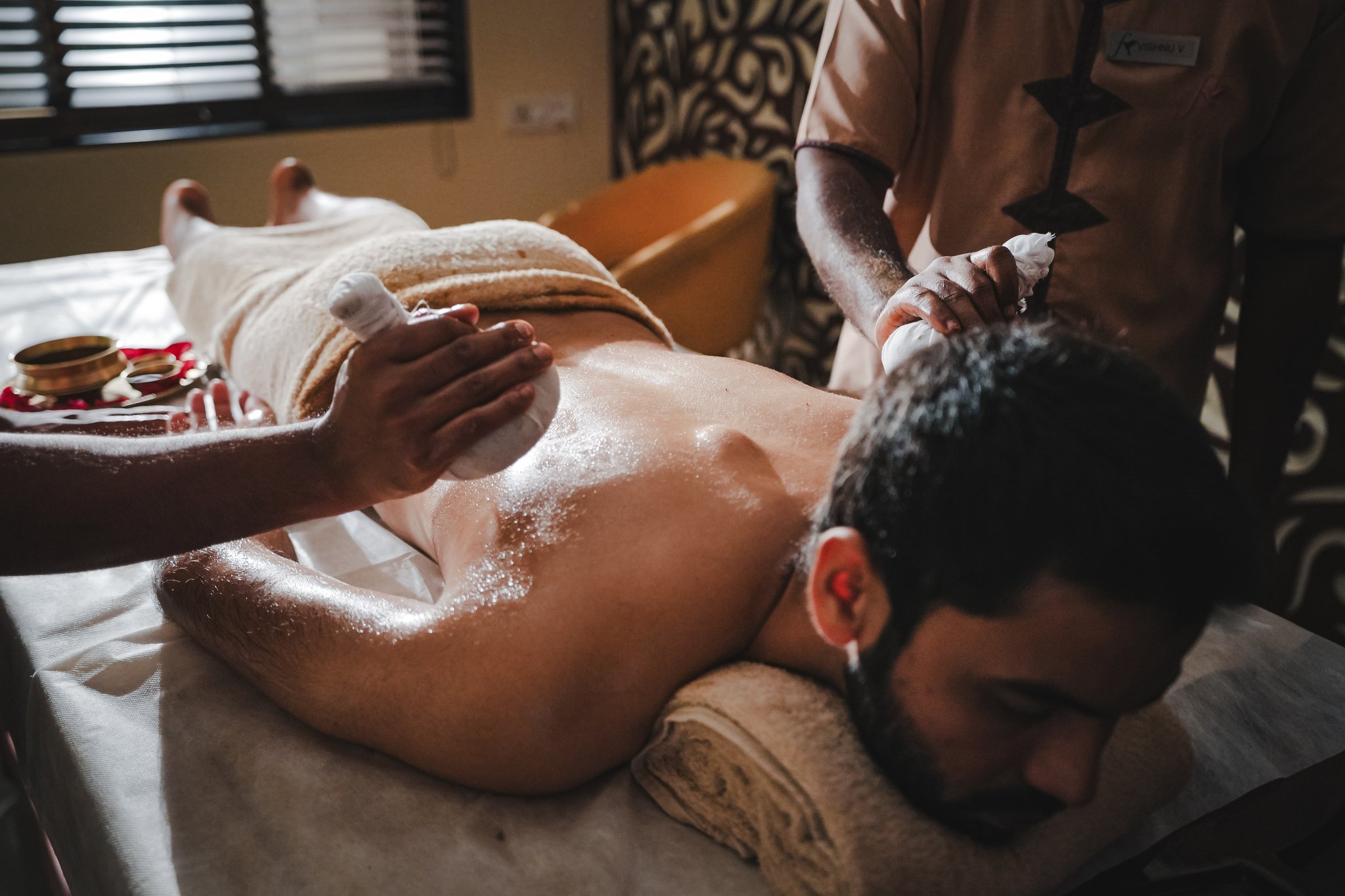
Part 9: Rasayana and long-term rejuvenation
People hear “rejuvenation” and imagine something cosmetic.
A glow.
A quick reset.
A feeling of being new again.
Ayurveda means something deeper and far more practical.
In Ayurveda, rejuvenation is not about pretending you never get tired.
It is about building the kind of inner reserve that lets you live, work, travel, and face stress without collapsing every time life gets loud.
Rejuvenation is the art of rebuilding.
Not through intensity.
Through steadiness.
A gentle safety note
This chapter is educational.
If you have a medical condition, are pregnant, breastfeeding, recovering from surgery, or taking long-term medication, speak to a qualified clinician before starting herbs or major dietary changes.
Rejuvenation should feel steady and supportive. If something makes you feel worse, step back and simplify.
What Rasayana means
Rasayana is often translated as “rejuvenation therapy”.
A simple definition is:
Rasayana is the process of improving the quality of nourishment in the body, so tissues rebuild well, the mind steadies, and reserve increases.
In other words:
- Better digestion and absorption
- Better tissue nourishment
- Better recovery
- Better steadiness in mood and energy
Rasayana is not a single product.
It is a direction of care.
The real foundation of rejuvenation
Ayurveda is very honest about what creates long-term strength.
Before you reach for “rejuvenation” herbs, the foundations matter most:
- Agni (digestion and metabolic steadiness)
If digestion is unstable, you cannot build reserve properly. - Dhatus (tissues rebuilding layer by layer)
Real strength is built slowly, and it shows up as better sleep, steadier energy, and better recovery. - Srotas (flow)
Nourishment has to reach where it is needed, and waste has to leave cleanly. - Sleep and nervous system downshift
If the system never truly rests, reserve keeps getting spent faster than it is built.
So rejuvenation is often less about adding things, and more about removing the habits that drain you.
Three kinds of Rasayana (this is an uncommon detail that matters)
Classical Ayurveda describes Rasayana in a few forms. Here are three that are especially useful in modern life.
1) Aushadha Rasayana: herbal and medicinal rejuvenation
This is what people usually think of first.
It can be helpful, and it must be chosen with care.
Aushadha Rasayana should always be:
- personalised
- suitable for your digestion
- safe with your medications
- paced and reviewed
Herbs cannot replace sleep, meal timing, or recovery. They can support them when the foundation is in place.
2) Aahara Rasayana: rejuvenation through food
This is the quiet power move.
Food becomes Rasayana when it:
- digests cleanly
- nourishes without heaviness
- supports sleep and steadiness
- is timed well
- is suited to your constitution and season
Simple warm meals, eaten in rhythm, can build reserve more reliably than most people expect.
3) Achara Rasayana: rejuvenation through behaviour
This is the one most people never hear about, and it is arguably the most important in modern life.
Achara Rasayana means: the way you live can either drain you or rebuild you.
In practice it includes:
- steadier routine
- calm speech and fewer conflict loops
- honest rest and early nights
- wise use of attention (less stimulation, less doom-scrolling)
- relationships that do not keep your nervous system on edge
- a life rhythm that respects recovery
This is not moralising. It is physiology.
A calmer life builds reserve.
Rejuvenation is not “more doing”
Modern wellness culture often turns everything into effort.
More supplements.
More workouts.
More tracking.
More pressure.
Ayurveda goes the other way.
Rejuvenation tends to grow when:
- your evenings soften
- your meals simplify
- your sleep deepens
- your nervous system stops being poked all day
- your digestion gets a steady rhythm
- your body has space to rebuild
So if you are depleted, the first Rasayana is often rest, not another protocol.
Signs rejuvenation is working (real-life markers)
You do not need dramatic signs. Look for steady shifts:
- You wake with slightly more ease
- Appetite becomes clearer and calmer
- Less heaviness after meals
- Cravings soften
- Mood is steadier under pressure
- Sleep feels deeper
- Recovery after activity improves
- Your body feels more “held” and less fragile
These are the markers of reserve returning.
What blocks rejuvenation most often
Here are the most common blocks, written plainly:
- late dinners and late nights
- constant screen stimulation
- skipping meals then overeating
- constant snacking
- overtraining without recovery
- chasing intensity when you need steadiness
- living with constant mental noise
- trying to rebuild on top of weak digestion
If you fix only one thing, protect evenings.
It changes everything.
Try This: the 21-day Rasayana foundation (no supplements required)
This is a gentle experiment, not a strict rulebook.
For 21 days:
- Lunch is your most complete meal
- Dinner is lighter than lunch, earlier when possible
- Three clear meals, less grazing
- 10-minute walk after one meal daily
- Screens down 45 minutes before bed
- 6 slow nose breaths before sleep (inhale 4, exhale 6)
- One quiet moment in nature daily, even short
Track:
- sleep depth
- appetite clarity
- heaviness after meals
- mood steadiness
- morning energy
If these improve, reserve is rebuilding.
Ask your Vaidya: questions that make Rasayana personal and safe
- In my case, is rejuvenation best supported through food and routine first, or are herbs suitable now?
- Do you feel my digestion is strong enough for Rasayana herbs?
- What is the first priority for me: sleep, digestion, nervous system settling, or tissue nourishment?
- Which foods build me without creating heaviness?
- What should I reduce for 21 days to protect my rebuilding phase?
- How will we measure progress in practical markers, not vague promises?
How this fits at Fazlani Nature’s Nest
A retreat can be a powerful Rasayana environment because it naturally supports:
- steadier routine
- simpler meals
- reduced stimulation
- more sleep runway
- gentle movement and nature time
- consultation-led care and pacing
Rejuvenation becomes possible when the system finally gets the conditions it has been missing.