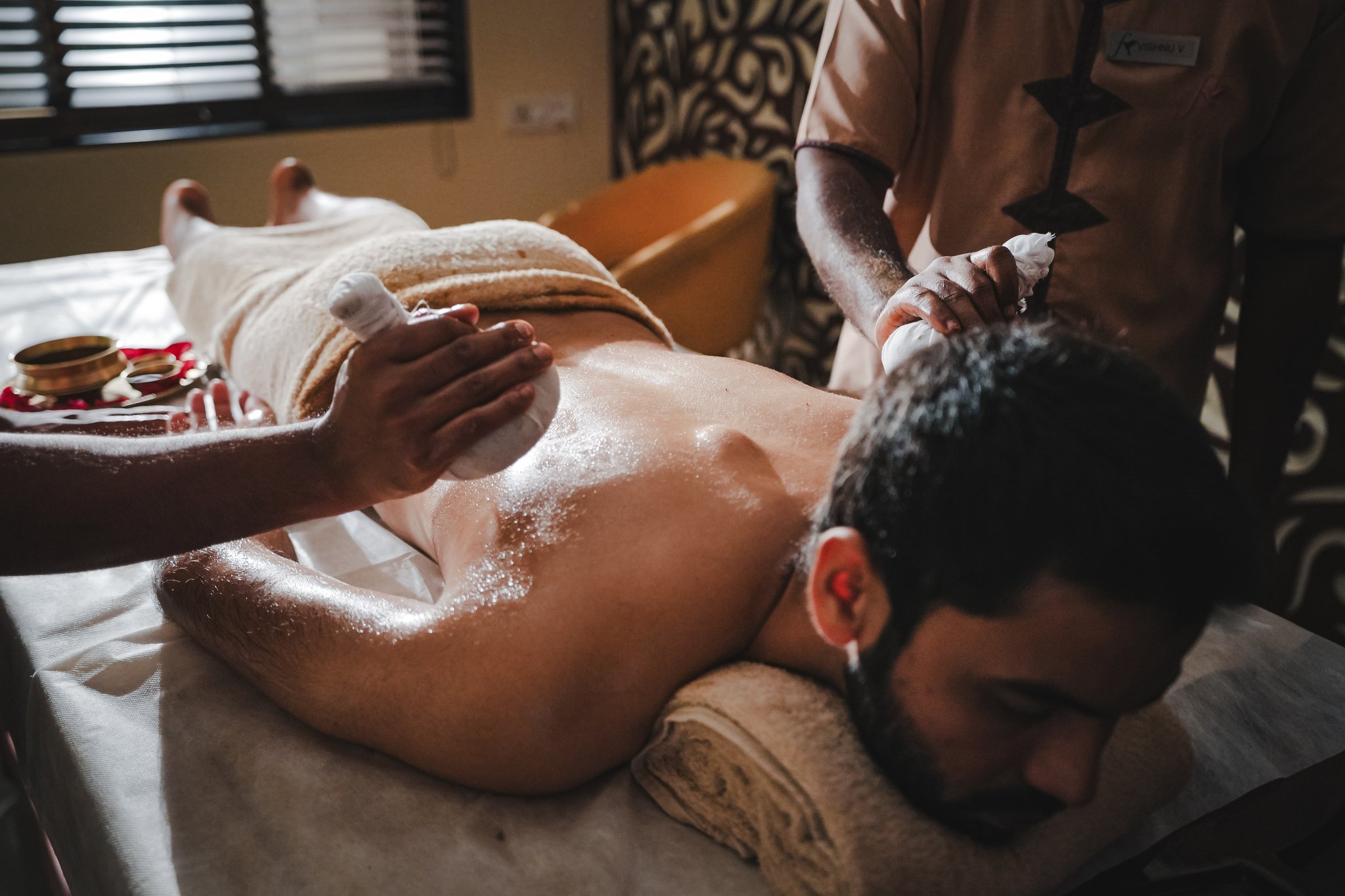
Part 12: Fazlani Nature’s Nest
A retreat works better when you arrive prepared.
Not in an anxious way.
In a calm, practical way.
This chapter answers the most common questions guests ask before coming to Fazlani Nature’s Nest, with simple guidance that helps you feel safe and clear.
Your programme will be personalised, and these are general guidelines that suit most guests.
What should I pack?
Bring items that support comfort, warmth, and simplicity.
Essentials
- Comfortable loose clothing for daily wear
- Light layers (even warm places can feel cool in early mornings and evenings)
- Comfortable walking shoes or sandals with good support
- A shawl or light jacket for cooler hours
- Sleepwear that feels comfortable and breathable
- A reusable water bottle if you like (the retreat will guide hydration)
For therapies
- Clothing that is easy to change in and out of
- Underwear you do not mind getting a little oil on (some therapies involve oil)
- Hair ties or clips if you have long hair
- A cap or scarf if you are sensitive to cool air after head therapies
Toiletries (keep it simple)
- Your usual basic toiletries
- Any sensitive-skin products you rely on
- Minimal perfume or heavy fragrances (many guests feel more sensitive during healing programmes)
Health and medical items
- All prescription medication, in original packaging
- Supplements you already take, if relevant (and show them during consultation)
- Copies of recent test results if you have them and they are relevant
- Emergency contact details
If you have specific medical needs, tell the team in advance.
What should I not pack?
You do not need:
- heavy cosmetics and complicated routines
- strong perfumes
- lots of snack foods (your programme is meal-led)
- work stress, if you can help it
If you bring work devices, consider setting boundaries around them. The retreat works best when mental noise reduces.
How do I prepare in the week before I arrive?
You do not need to do anything extreme.
A gentle 3 to 7 day preparation often helps:
- Reduce alcohol
- Reduce very heavy fried foods
- Reduce late-night eating
- Try to sleep a little earlier
- Keep meals simpler and warm when possible
- Reduce intense workouts right before arrival
- Reduce overstimulation in the evening (screens, late work)
The aim is to arrive steadier, not depleted.
Should I stop my medication before I come?
No.
Do not stop medication on your own.
Bring your medication, disclose it during consultation, and let the doctors guide what is safe within your plan.
If you want to adjust any medication, that should be discussed with your prescribing clinician.
What happens when I arrive?
Most guests go through a calm onboarding process, which may include:
- Welcome and settling in
- Consultation and assessment
- Discussion of your goals and current symptoms
- Review of medications and relevant history
- A personalised plan for food, routine, movement, and therapies
Your schedule is then shaped around your needs, not a generic menu.
What should I expect from the consultation?
A good consultation feels like:
- someone listening properly
- someone asking about digestion, sleep, energy, stress, cravings, elimination
- observation of patterns
- clear priorities, not a confusing list
You should leave with:
- a simple understanding of your current pattern
- your first focus (sleep, digestion, stress regulation, movement, etc.)
- a plan that feels doable
If anything is unclear, ask for the first priority.
Are treatments painful?
Treatments should not feel like you have to “endure” them.
Some therapies are deeply soothing.
Some are more stimulating.
You should always be able to:
- ask for less pressure
- ask for a pause
- explain sensitivity
- share concerns
A good retreat treats comfort and consent as non-negotiable.
Will I feel tired during the programme?
Many guests feel more rested quickly.
Some guests feel tired, especially in the first few days, because:
- stimulation drops
- the body begins to recover
- digestion adjusts
- sleep and appetite shift
Tiredness can be normal, and it should be monitored.
If you feel weak, dizzy, overheated, anxious, or unwell, tell the team. Plans can be adjusted.
Can I exercise while I’m there?
Movement is usually part of the retreat, and it is guided.
The focus is:
- gentle walking
- yoga and mobility that suits your state
- circulation support
- nervous system regulation
Intense workouts are usually reduced during deeper programmes, especially Panchakarma, because recovery is the priority.
Follow the guidance of your doctors and team.
What about coffee and cravings?
Many guests naturally reduce coffee because sleep improves and nervous system load drops.
If you are a daily coffee drinker, tell the team. They can guide a sensible approach.
Cravings often soften when:
- meals are steady
- dinner is lighter
- evenings are calmer
- sleep deepens
The retreat is not about willpower. It’s about changing inputs.
Do I need to be vegetarian?
Your plan will be guided by your programme, your digestion, and your preferences.
Many Ayurveda-based programmes lean toward lighter, simpler food patterns, and this often includes plant-forward meals.
If you have strong preferences or medical dietary needs, discuss them during consultation.
What should I avoid during the retreat?
To get the most from your stay, most guests benefit from avoiding:
- late-night screens and late work
- heavy late meals
- alcohol
- intense exercise that depletes you
- overstimulating content and conflict conversations at night
The retreat works best when your nervous system gets quiet.
How can I get the best results?
A simple answer:
Respect rhythm.
- Eat on time
- Make lunch the main meal
- Keep dinner lighter
- Walk after meals
- Rest after therapies
- Protect evenings
- Reduce screens
- Sleep in a steady window
When you do these, the body tends to respond.
What if I have questions or feel unsure during my stay?
Speak to the team.
A well-run retreat expects questions.
If you feel:
- dizzy
- weak
- overheated
- anxious
- unusually emotional
- uncomfortable with any therapy
Say so.
The plan can be adjusted.
Healing is not a rigid script. It is a guided process.
How do I prepare to go home?
Leaving is part of the programme.
Before you go, aim to leave with:
- a simple daily rhythm you can keep
- a food structure that supports your digestion
- one or two breath or meditation practices
- a plan for the first 7 to 14 days at home
- clarity on what to avoid temporarily so results hold
This is how the retreat becomes a long-term shift.