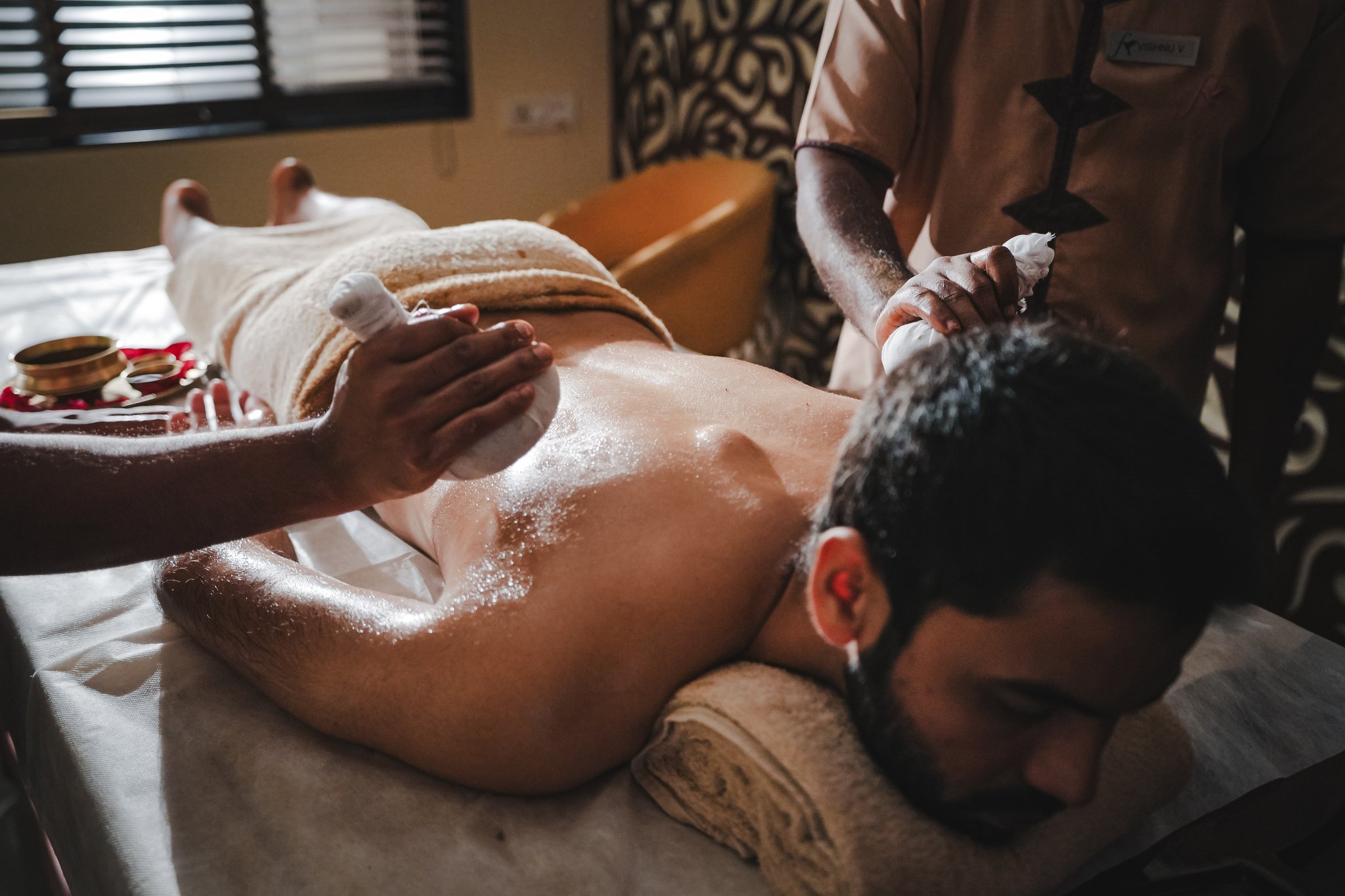
If you’re travelling for pain support, clarity matters more than optimism. Ayurveda can support pain by working with rhythm, inflammation patterns, tension, sleep, digestion, and recovery. It can also sit alongside physiotherapy and medical care when needed. What it should never be is a vague promise.
This guide gives you the questions to ask before you book, so your trip feels safe and worth it.
First, be honest about what kind of pain it is
“Pain” is a wide word. Your plan will depend on what’s underneath.
Before you travel, try to name it in simple terms:
- Is it joint pain (knees, hips, shoulders)?
- Back or neck pain?
- Nerve pain (burning, tingling, numbness)?
- Stiffness and tightness that builds over the day?
- Pain linked to old injury or post-surgery recovery?
You do not need a perfect diagnosis. You do need a clear description.
What’s realistic from a retreat
A responsible team will talk about:
- reducing pain intensity over time
- improving mobility and function
- improving sleep and recovery so pain is less amplified
- reducing flare frequency
- helping you understand triggers
What is not realistic to promise:
- instant relief for every case
- a cure for serious structural conditions
- replacing urgent medical care
You’re aiming for progress that holds, not dramatic claims.
What to bring with you (it makes your plan better)
If you have any of these, bring them:
- recent doctor notes
- X-rays, MRI reports, blood work
- a list of medications and supplements
- any allergies or reactions
- a short timeline: when it started, what worsened it, what helps
Even a phone photo of reports is useful.
The questions to ask before you book
1) Who assesses me, and how does the plan get personalised?
Ask:
- Who does the first assessment?
- How often do check-ins happen during the stay?
- How is the plan adjusted if my pain flares or settles?
2) What pain patterns do you commonly work with?
Ask this plainly:
- Do you support back pain, joint pain, nerve pain, post-injury pain?
- Which types of pain do you avoid or refer out?
A good retreat will be clear about boundaries.
3) What does “pain support” actually include?
Ask:
- What therapies are commonly used for pain support here?
- Is physiotherapy available if needed?
- Is movement part of the plan, or is it mostly rest?
You’re looking for a plan that matches your body, not a menu.
4) How do you handle medications safely?
This one matters.
Ask:
- Can I continue my prescribed medication during the programme?
- If changes are suggested, who oversees that and how?
- What should I never stop suddenly?
If you take blood thinners, steroids, strong pain medication, antidepressants, or diabetes medication, you want extra clarity here.
5) What are the red flags that mean “don’t travel yet”?
Ask them to name the red flags.
For example:
- recent surgery
- fever, unexplained weight loss, night sweats
- new numbness or weakness
- loss of bladder or bowel control
- severe pain that is rapidly worsening
- suspected fracture
- uncontrolled high blood pressure or unstable medical conditions
If any of those are in play, you need medical review first.
6) What should I expect in the first 48 hours?
Ask:
- Do people often feel sore after the first day?
- What is normal adjustment discomfort vs a flare that needs change?
- What will you do if pain increases?
A good answer sounds calm and specific.
Travel planning tips for pain
If you’re coming to an Ayurveda retreat near Mumbai, the journey can be part of the strain.
A few practical steps help:
- Choose an aisle seat on flights so you can stand and stretch
- Keep luggage light and use wheels
- Bring supportive shoes and one comfortable layer for air-conditioning
- Plan for a quieter arrival day rather than stacking meetings or sightseeing
Try this (60 seconds)
This is not a cure. It’s a quick way to downshift tension that often amplifies pain.
Sit comfortably.
Inhale through the nose for 4.
Exhale through the nose for 6.
Repeat for 8 breaths.
Then scan the body and soften one area by 5 percent: jaw, shoulders, belly, hands.
Small releases add up.
Medical note: This article is educational. If you have severe pain, sudden weakness or numbness, fever, unexplained weight loss, loss of bladder or bowel control, or symptoms that feel urgent, seek medical care before travelling.