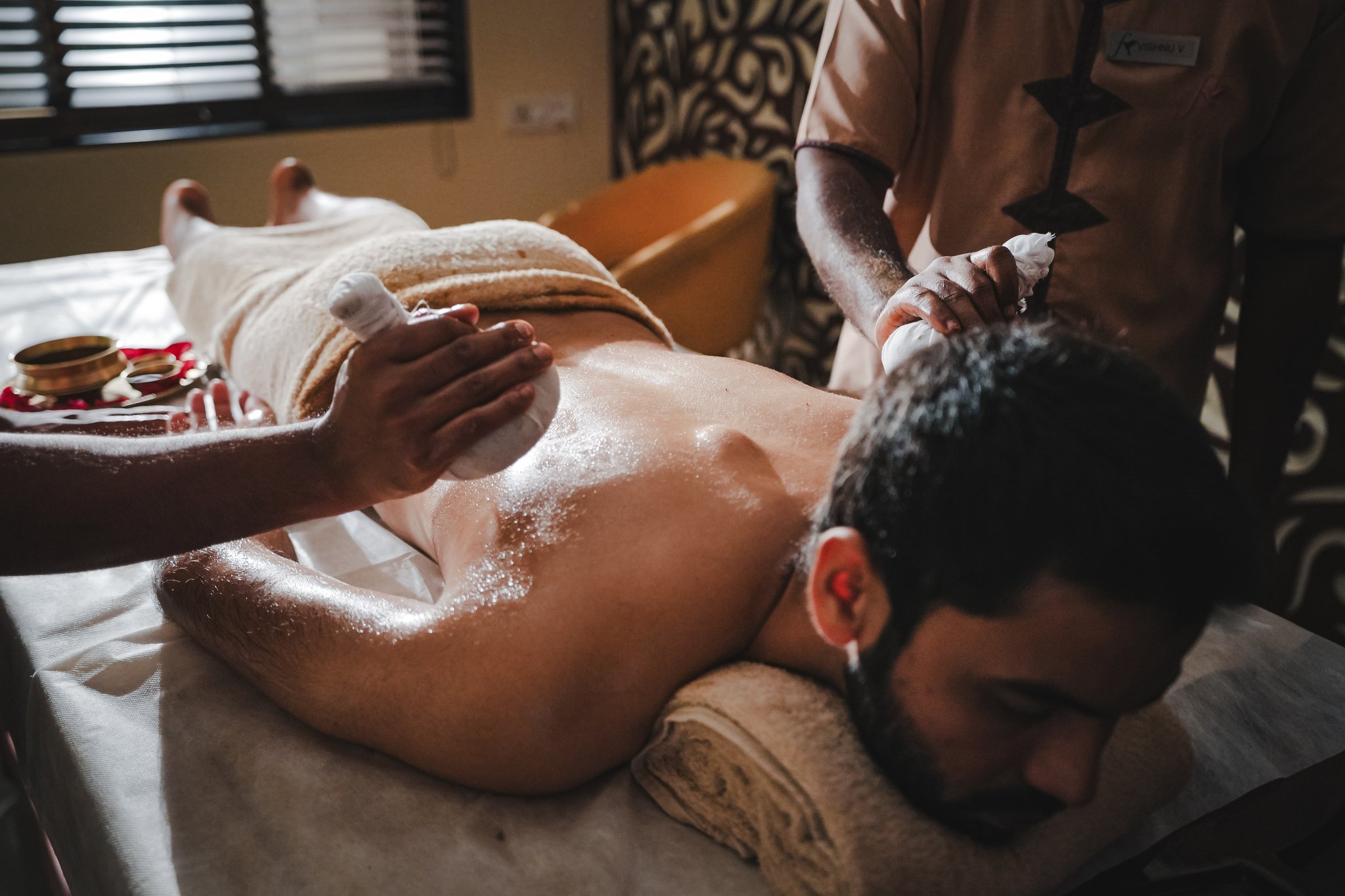
Panchakarma is often described as “detox”, and that word creates confusion. A better description is this: Panchakarma is a structured, clinician-led process in Ayurveda that may be used to reduce load and restore function when it suits the person. It involves preparation, selected therapies or procedures, and a rebuild phase afterwards.
It should feel calm and supervised, not extreme.
What Panchakarma is (plain English)
Panchakarma is not one single treatment. It’s a programme framework that may include:
- simplified food and digestion support
- therapies chosen for your current pattern
- specific procedures only if appropriate
- a gradual return to normal routine afterwards
In practice, most people do not do “everything”. The plan should be selected and adjusted by a clinician.
What Panchakarma is not
- A one-size “cleanse week”
- A bravery test
- A replacement for urgent medical care
- Something to self-prescribe at home
If a programme is sold as a fixed menu without proper screening and day-to-day checks, be cautious.
Why the preparation and aftercare matter so much
People focus on the “main” part, yet outcomes are often shaped by what happens on either side.
Preparation helps your system handle change without shock.
Aftercare helps results hold once you return to normal life.
If aftercare is vague, ask for clarity.
Who it may suit (general patterns)
A clinician may consider Panchakarma when someone is stable enough to rest and the pattern feels stuck, for example:
- recurring heaviness that does not shift with simple changes
- digestion that feels strained for a long time
- stress and burnout patterns where the body cannot downshift
- seasonal reset, when the person has enough reserves
This is not a guarantee of suitability. It is simply the kind of context where a clinician might explore it.
Who should be cautious, or delay
Panchakarma is commonly delayed or modified if someone is:
- pregnant or breastfeeding
- recovering from surgery or recent illness
- very depleted, underweight, or not sleeping at all
- dealing with severe anxiety, severe depression, addiction, or instability
- managing complex medical conditions or medicines that require close oversight
A calm rule of thumb:
If you cannot recover from normal life right now, deeper clearing is rarely the first move.
The three phases (the simplest useful model)
1) Preparation
This is where rhythm is built: steadier meals, steadier sleep, steadier digestion.
2) Main phase
This may include therapies and, in some cases, clinician-prescribed procedures. It should include regular check-ins and adjustments.
3) Rebuild and return
Food and routine are gradually expanded so the body returns to normal strength without losing the gains.
What a safe programme should include
Look for:
- proper screening and medical history checks
- consultation-led personalisation
- regular check-ins
- a clear food plan
- a clear rest plan
- a clear post-care plan
If those are missing, ask why.
Questions to ask before you commit
- How do you screen for suitability?
- What are the clear “no” situations where you delay or modify?
- Who is overseeing clinically, and how often do check-ins happen?
- What are the red flags I should watch for?
- What does aftercare look like for me, and how long does it last?
Try this: a simple readiness check (3 minutes)
Ask yourself:
- Can I protect sleep for the next 14 days?
- Can I simplify meals and eat on time for the next 14 days?
- Can I reduce stimulation at night for the next 14 days?
- Can I rest after therapies without rushing back into intensity?
If most answers are “no”, your first step is often rhythm, not intensity.
Medical note: This article is educational. If you have severe symptoms, sudden changes, or anything urgent, seek medical care.