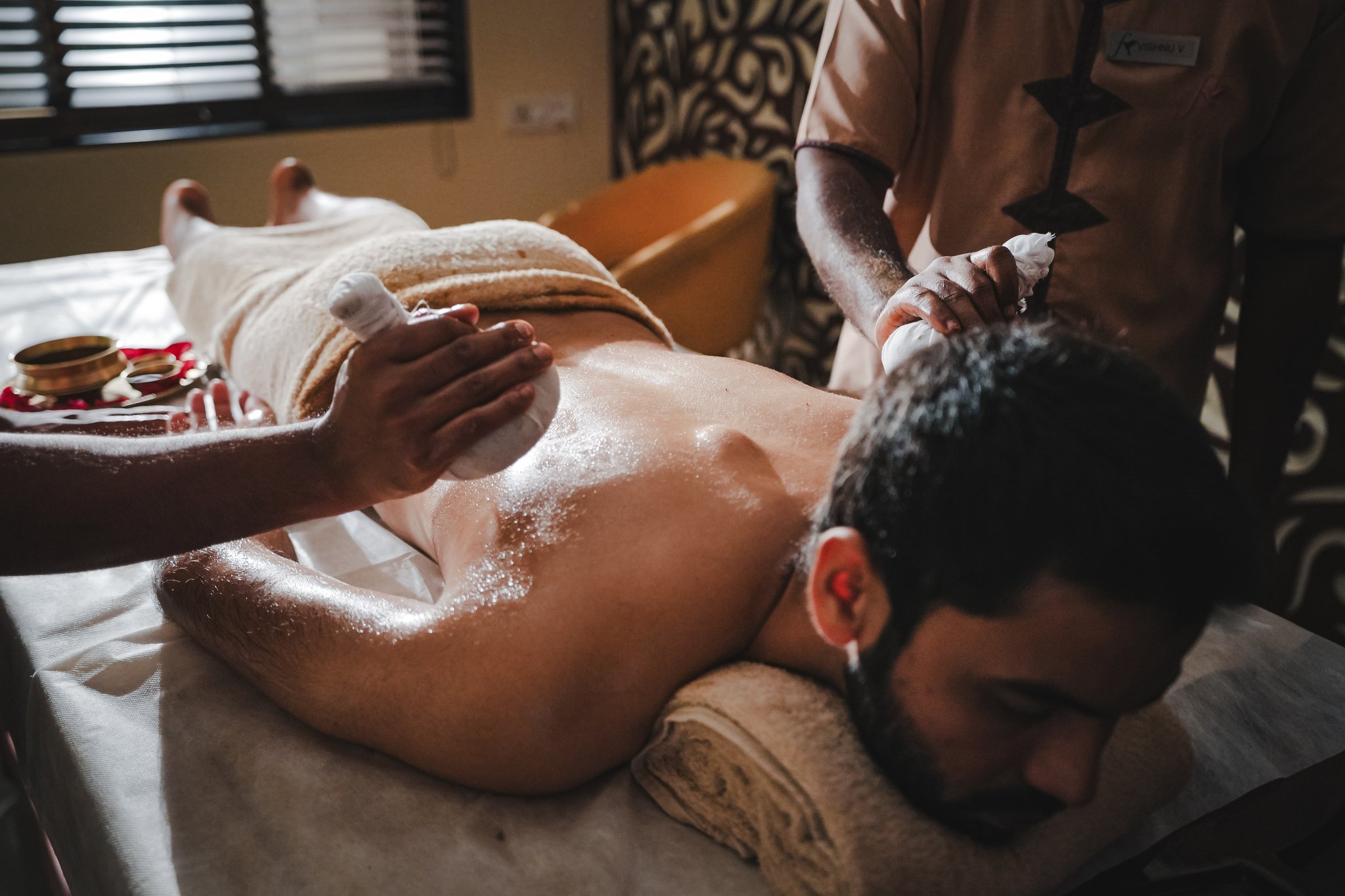
Part 8: Panchakarma in depth
Panchakarma is not one event. It is a process.
The most important thing to understand is this:
A well-run Panchakarma programme is phased for safety, comfort, and results that hold.
If you skip the phases, the experience can feel chaotic.
If you respect the phases, the process tends to feel calmer and more coherent.
In classical Ayurveda, the three phases are often described as:
- Preparation (Purva Karma)
- Main procedures (Pradhana Karma)
- Post-care and rebuilding (Paschat Karma)
Your doctor decides which parts apply to you, and how long each phase should be.
Why Panchakarma has phases
Panchakarma aims to reduce load and restore function.
That requires three things:
- The body needs to be prepared so cleansing is not a shock.
- The main procedures need clear supervision and pacing.
- The system needs rebuilding afterwards so benefits settle and become stable.
If you only remember one line, let it be this:
Preparation opens the door.
Main procedures do the work.
Post-care locks it in.
Phase 1: Preparation (Purva Karma)
Preparation is where many of the real benefits begin.
This phase often focuses on:
- strengthening digestion (agni support)
- reducing ama load gently
- softening and loosening what is ready to move
- calming the nervous system so the process feels safe
Preparation is not meant to feel like deprivation.
It is meant to feel like simplification.
What preparation often includes
1) Food simplification
Food is usually simpler, warmer, and easier to digest.
You may see:
- fewer ingredients per meal
- earlier, lighter dinner
- warm water or warm herbal support
- reduction of heavy, fried, and very sweet foods
The intention is to reduce load, not to starve.
2) Deepana and Pachana (digestive support)
These are classical terms for supporting appetite and processing.
In plain language:
- the programme supports digestion so the system can move through the process without strain
This may involve food choices, gentle herbal support under supervision, and rhythm.
3) Snehana (oleation)
This can include external oil therapies, and in some programmes, internal oleation under doctor supervision.
The aim is to:
- soften dryness
- support looseness in tissues
- support the body’s readiness for the next phase
Internal oleation is never casual. It should be clinician-led.
4) Swedana (therapeutic warmth)
Heat therapies may be used gently to support:
- looseness
- movement
- comfort in joints and tissues
Heat is always chosen based on your pattern.
Heat is not automatically for everyone.
What you may feel in preparation
Common experiences include:
- appetite becoming clearer or changing
- bowel movements shifting
- tiredness as the body slows down
- sleep deepening for some people
- emotions surfacing as stimulation reduces
If you feel weak, dizzy, overheated, or unusually anxious, that is information. A good centre adjusts the plan.
Phase 2: Main procedures (Pradhana Karma)
This is the phase people imagine when they hear the word Panchakarma.
It includes the main cleansing actions chosen for you.
A key truth:
Most people do not do all five actions.
The plan is selected and paced based on your constitution, current state, strength, and response.
Your doctor decides:
- which main procedure is appropriate
- the order
- how many days
- what support therapies sit around it
- how to monitor and adjust
The five main actions (overview only here)
These are traditionally described as:
- Vamana
- Virechana
- Basti
- Nasya
- Raktamokshana
We will explain each one carefully in the next chapter.
What happens during the main phase
A good programme usually includes:
- daily check-ins
- monitoring of appetite, elimination, sleep, mood, energy
- adjustment of food and activity
- rest built into the day
- supportive therapies chosen for comfort and safety
The main phase is not meant to feel like “powering through”.
It is meant to be supervised, paced, and respectful.
What you may feel during the main phase
Many people notice:
- energy waves, rather than steady energy
- emotional sensitivity, especially if the mind is quieter than usual
- changes in appetite and cravings
- strong need for rest
- body feeling lighter in some areas and more tender in others
All of this is normal in a supervised process.
What matters is monitoring and adjustment.
Phase 3: Post-care and rebuilding (Paschat Karma)
This is the phase many people underestimate.
It is also the phase that decides whether benefits stick.
Post-care is where you rebuild:
- digestion
- tissue nourishment
- sleep stability
- nervous system steadiness
If you rush this, the body often rebounds.
What post-care often includes
1) A structured return to normal eating
Many programmes use a staged approach to rebuild digestion.
In plain language:
- foods are reintroduced gradually
- portions stay sensible
- meal timing stays steady
The goal is to protect agni as it stabilises.
2) Rest and rhythm
The nervous system is often more sensitive after the main phase.
Post-care supports:
- calm evenings
- protected sleep
- reduced stimulation
- gentle movement, not intensity
3) Gentle rebuilding (Rasayana direction)
Some programmes add gentle rebuilding support once digestion is stable.
This can include:
- nourishment focus
- steady routine
- doctor-guided supports when appropriate
The aim is not “more supplements”.
The aim is a stronger baseline.
What you may feel in post-care
Common experiences include:
- appetite settling into a cleaner signal
- deeper sleep returning
- clarity in the mind
- sensitivity to heavy foods or late nights
- a stronger sense of what suits you
Post-care is also where long-term habits become clear.
Why monitoring matters across all phases
A safe Panchakarma programme watches the person, not only the protocol.
Daily check-ins often include:
- how you slept
- appetite and thirst
- bowel movements and comfort
- heat or cold sensations
- dizziness, weakness, headaches
- mood, anxiety, irritability
- overall energy and steadiness
The purpose is simple:
Adjust early, rather than letting discomfort build.
When to speak up immediately
Always tell your doctor if you experience:
- fainting or near-fainting
- persistent dizziness
- severe weakness
- severe anxiety or panic symptoms
- severe headache that feels unusual
- chest pain, breathlessness, or palpitations
- fever or signs of infection
- bleeding, severe abdominal pain, severe vomiting
- any symptom that scares you
A good programme treats this as normal communication, not “complaining”.
Try This: how to prepare for Panchakarma without stress
If you are planning a Panchakarma programme, these steps make it calmer:
- Reduce commitments
Clear your schedule as much as possible. - Plan for quieter evenings
Your sleep is part of the process. - Reduce stimulation a few days before
Less late-night screen time helps. - Pack comfort basics
Loose clothing, warm layers, simple toiletries, a notebook. - Decide your intention
Not a dramatic goal. A simple one, like: “I want steadier digestion and calmer sleep.”
Ask your Vaidya: questions that protect the process
- Which phase will be the longest for me, and why?
- What are the main goals of preparation in my case?
- Which main procedure are you considering for me, and why?
- What will you monitor daily to keep this safe?
- What are the red flags in my case?
- What does post-care look like for me, and how long should I follow it?
- What should I avoid for two weeks after, so I do not undo the work?
Clear questions create safer care.