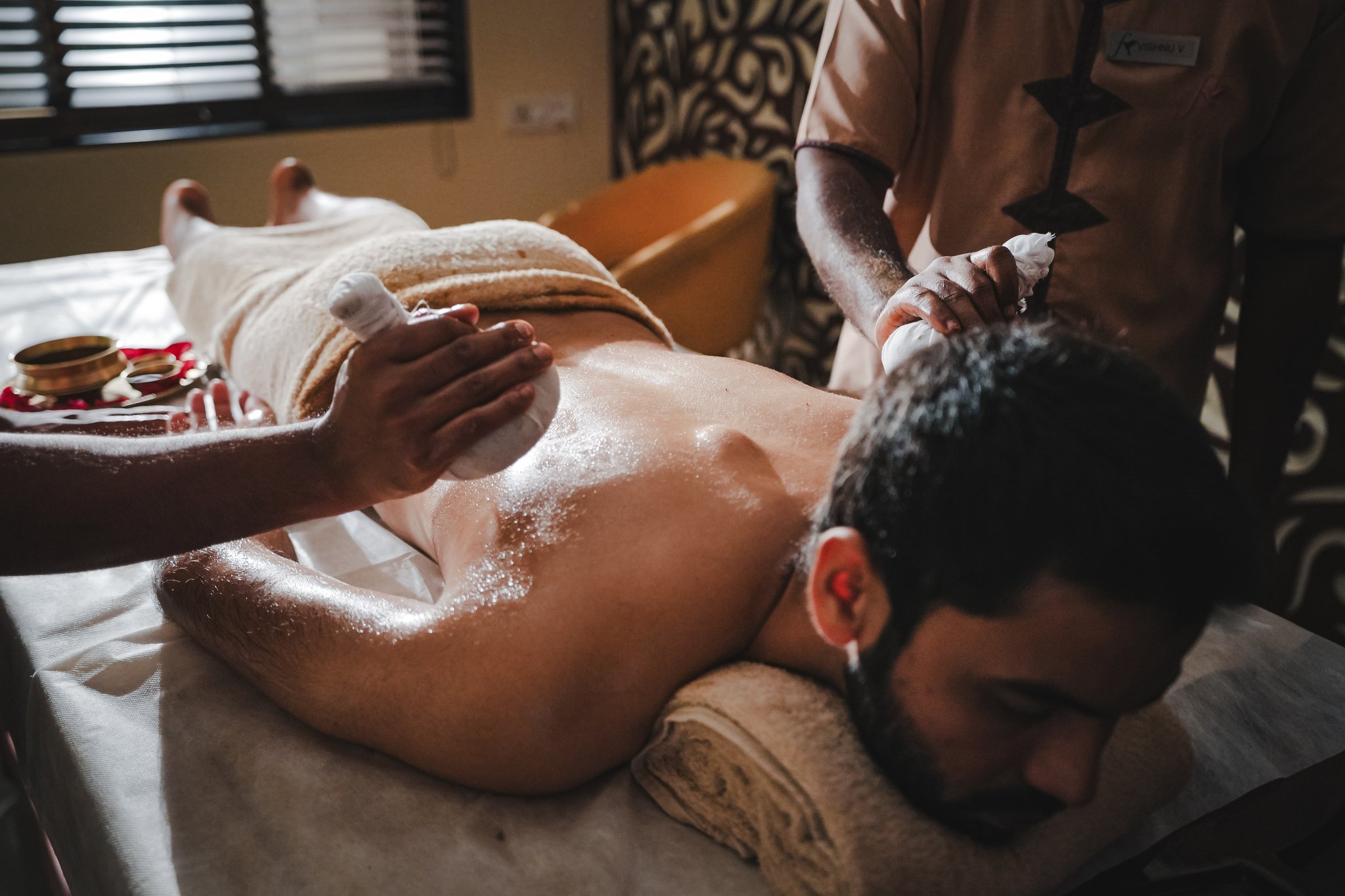
Part 8: Panchakarma in depth
People often think Panchakarma is “the five actions”.
In practice, what makes Panchakarma work for most people is much simpler:
- Food that is easy to digest
- Rest that is real
- A mind that is quieter than usual
This chapter is about the part that is not glamorous, and is often the most important.
During Panchakarma, the body is doing deep internal work. Digestion is being guided. Elimination patterns may change. The nervous system can become more sensitive. If you keep feeding the system heavy food, late nights, intense exercise, constant screens, and mental noise, the process becomes harder and results often feel less stable.
Food, rest, and mental quiet are not “extras”.
They are the container that makes the whole programme safe and effective.
A gentle safety note
This chapter is educational. It does not diagnose you and it does not replace medical guidance.
Panchakarma should be supervised by a qualified Ayurvedic Medical Clinician, especially if you have any medical condition, take medication, are pregnant, breastfeeding, or have had recent surgery.
If you feel faint, very weak, severely anxious, overheated, feverish, have severe pain, heavy bleeding, chest pain, breathing difficulty, or anything that feels unsafe, speak to your clinician immediately.
Why food becomes simpler during Panchakarma
Panchakarma is not the time for variety.
It is the time for digestion to have a clean job.
When food becomes simpler, a few good things often happen:
- Agni is easier to protect
- Appetite signals become clearer
- The body carries less “processing load”
- Elimination can become more regular and complete
- Sleep often improves when the evening meal is light
Many programmes use warm, cooked, modestly spiced foods because they are generally easier for the system to manage, especially when the nervous system is already working through change.
The goal is not to starve you.
The goal is to reduce friction.
The three food rules that matter most
1) Eat what your doctor gives you
This sounds obvious, and it’s the main thing.
Do not “improve” the plan with outside snacks, random supplements, or heavy restaurant meals.
If you are hungry, speak to the team. The plan can be adjusted.
2) Keep dinner lighter than lunch
This protects sleep and reduces night-time heaviness.
A heavy late dinner is one of the fastest ways to undo the calm the programme is trying to build.
3) Warm and cooked usually wins
Especially when digestion is sensitive, elimination is changing, or sleep is light.
Warm does not mean spicy. Warm means kind.
Hydration during Panchakarma
Hydration matters, and extremes often backfire.
A steady approach is usually best:
- Sip rather than chug
- Prefer warm or room temperature drinks if you are prone to bloating or Vata patterns
- If you are heat-prone, your doctor may guide cooling options
- If you are peeing constantly, feeling dizzy, or feeling depleted, tell the team
This is not the time for “flush the system” behaviour.
It’s the time for steady support.
Rest is part of the treatment
Most people are not used to real rest.
They lie down, and the mind keeps working.
Panchakarma asks for a different kind of rest:
- Less stimulation
- More silence
- More stillness
- Fewer decisions
- Fewer inputs
Rest is not laziness here. Rest is the method.
If the body is clearing and rebuilding, it needs space to do it.
Why mental quiet matters so much
During Panchakarma, many people notice:
- emotions surface more easily
- sensitivity rises
- sleep dreams become vivid
- the mind feels quieter, then suddenly noisy
- old fatigue becomes more obvious
This is normal.
When you reduce stimulation, the system stops being numbed.
Mental quiet is not about “being spiritual”.
It’s about reducing nervous system load so the body can do what it is trying to do.
What to avoid during Panchakarma (the realistic list)
Your doctor will personalise guidance. These are general principles that protect most people.
Avoid overstimulation
- Late-night screens
- Heavy news cycles
- Work calls and constant messaging
- Intense conversations, especially in the evening
Avoid intense exertion
- Hard workouts
- Long runs
- Heat exposure without guidance
- Anything that leaves you depleted rather than refreshed
Gentle walking is often fine if your doctor agrees.
Avoid heavy, cold, and complicated foods
- Fried foods
- Large heavy meals
- Cold drinks with meals
- Random snacks between meals
- Too many different items in one sitting
Avoid “doing more”
Panchakarma is not the time to stack habits.
It is the time to simplify.
A simple daily rhythm that supports Panchakarma
This is not a rigid schedule. It’s a steady shape.
Morning
- Wake gently
- Warm water if advised
- Quiet breathing for 2 minutes
- Therapies or consults as scheduled
- Rest after therapies
Midday
- Main meal
- Short gentle walk if approved
- Rest, reading, journaling, quiet time
Evening
- Lighter meal
- Screens down earlier
- Soft lighting
- Quiet breath before bed
- Early night
The theme is always the same:
Less noise. More recovery.
Try This: the 3-minute mental quiet practice
Use this whenever you feel restless, emotional, or overstimulated.
- Sit down and put your phone away
- Inhale through the nose for 4
- Exhale through the nose for 6
- Repeat for 10 breaths
- Ask: “What does my system need right now: warmth, quiet, or rest?”
Then act on one small thing:
- Warm water
- A quiet walk
- A nap
- Silence
- Less screen time
- A shorter conversation
What “progress” can look like during Panchakarma
Progress is not always dramatic.
Sometimes progress is:
- appetite becoming clearer
- sleep becoming deeper
- less heaviness after meals
- calmer mood
- lighter head feeling
- improved elimination comfort
- a sense of being more present in your body
Some days you may feel tired.
That does not automatically mean something is wrong.
What matters is:
- monitoring
- adjustment
- honest communication with your doctor
When to speak up immediately
Always tell your clinician if you experience:
- fainting or near-fainting
- severe dizziness
- severe weakness
- strong anxiety that feels unmanageable
- overheating, fever, or chills
- severe headache that feels unusual
- chest pain or breathlessness
- bleeding or severe abdominal pain
- anything that scares you
Good care welcomes communication.
Ask your Vaidya: questions that protect your programme
- What is the main goal of this phase for me: stabilise, clear, or rebuild?
- How should my food change in this phase, and why?
- How much walking or movement is appropriate for me right now?
- What signs tell us I’m doing well, and what signs tell us to slow down?
- What should I avoid most strictly in my case?
- What does my evening routine need to look like so sleep supports the process?