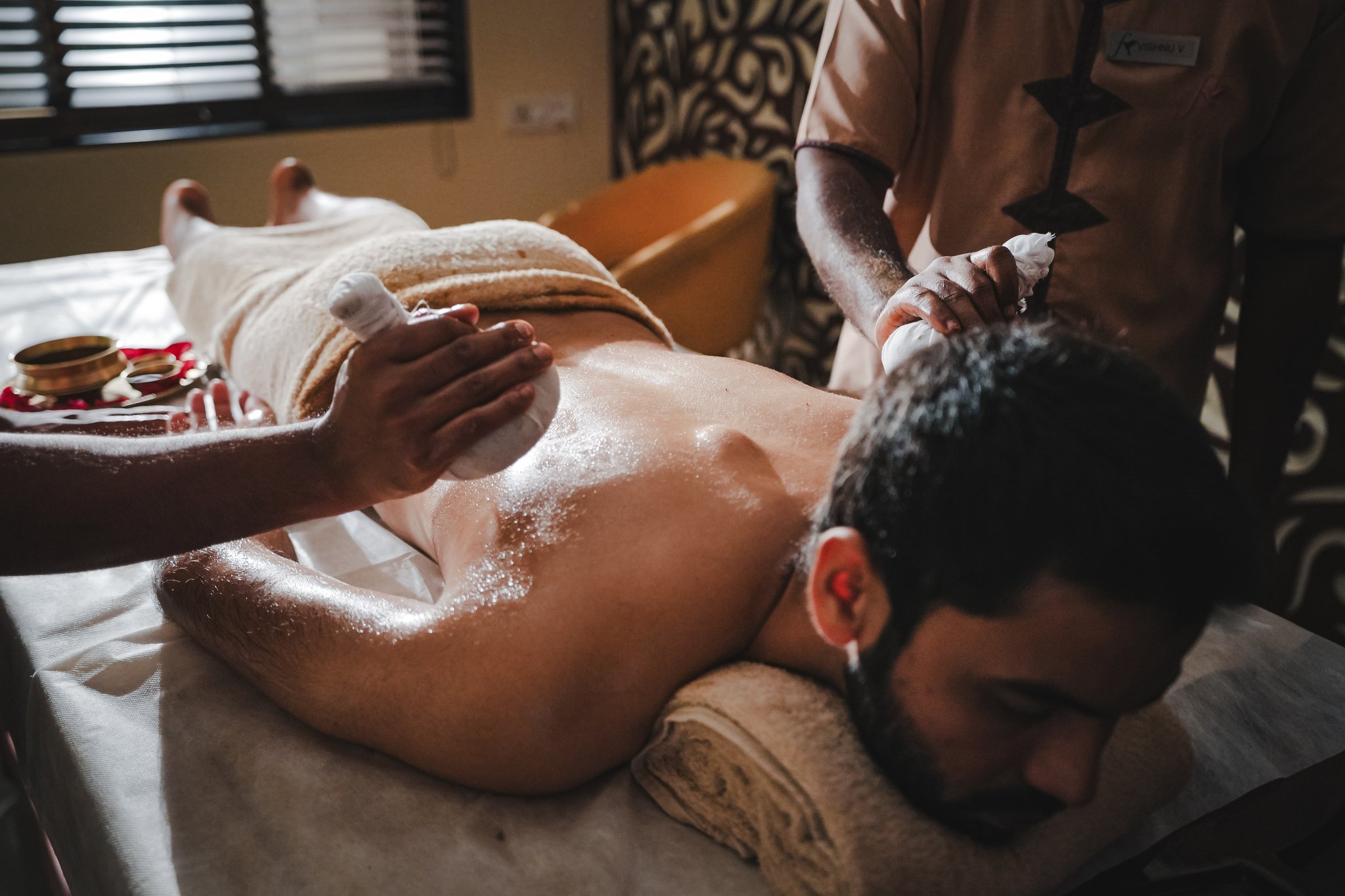
Part 8: Panchakarma in depth
If Panchakarma is the clearing, post-care is the building.
This is the part many people underestimate.
They do the programme.
They feel lighter.
Then they go straight back to late dinners, intense work, heavy meals, travel, alcohol, and screens in bed.
And the body rebounds.
Not because Panchakarma “didn’t work”.
Because the system was open, sensitive, and rebuilding, and it was hit with the same inputs that created strain in the first place.
In Ayurveda, the phase after Panchakarma is not optional. It is part of the process.
It is where you rebuild:
- Agni (digestion and metabolic stability)
- Dhatus (tissue nourishment and reserve)
- Sleep quality and nervous system calm
- Rhythm that holds the benefit
This chapter is your calm guide to that rebuilding phase.
A gentle safety note
This chapter is educational. Your post-care plan should be personalised by a qualified Ayurvedic doctor.
If you have any medical condition, take medication, are pregnant, breastfeeding, or have had recent surgery, your plan must be clinician-led.
If you feel faint, severely weak, feverish, have severe pain, chest pain, breathing difficulty, heavy bleeding, or anything urgent, seek medical care immediately.
Why the post-care phase matters so much
During Panchakarma, the system is guided into a quieter, simpler state.
After Panchakarma, the system is often:
- more sensitive
- more responsive to food and stimulation
- more honest about what suits you and what doesn’t
- rebuilding digestion and tissue strength
This is a window.
If you protect that window, results often deepen.
If you ignore it, the system often closes again.
A simple truth:
The body does not love sudden extremes after a clearing process.
It loves steady rebuilding.
The main goal after Panchakarma: protect agni
Agni is the gate.
After Panchakarma, agni can be:
- clearer, yet delicate
- steady, yet sensitive
- easily disturbed by heaviness, cold food, late eating, stress, and overstimulation
So post-care focuses on:
- simple, warm meals
- steady meal timing
- gradual reintroduction of heavier foods
- calm evenings
- gentle movement
- reduced stimulation
If you do these, you protect digestion.
If you protect digestion, strength returns.
The phased rebuild: from simple to normal
Different programmes use different timelines, and many follow the same idea:
Start simple.
Add complexity gradually.
A common structure is:
Phase 1: very simple rebuilding (first few days)
Food is gentle, warm, and easy to digest.
Portions are moderate.
Meals are timed.
Dinner is light.
The aim is not variety.
The aim is stable digestion.
Phase 2: steady strengthening (next week)
Food variety increases slowly.
More vegetables.
More stable proteins.
More normal meal structure.
Still:
- warm
- timed
- not heavy late at night
Phase 3: return to normal life with new intelligence (weeks 2 to 4)
This is where you reintegrate into real life.
You can eat more normally, and the key is not to return to old patterns.
Old pattern: late heavy meals, stimulation at night, random snacking, no rhythm.
New pattern: a body-led rhythm that you can keep.
Your doctor will guide the timeline based on your condition, your strength, and what was done during the programme.
What to avoid in the post-care window (the practical list)
You don’t need fear. You need boundaries.
For most people, the biggest post-care disruptors are:
Heavy late dinners
Late heavy eating is one of the fastest ways to disturb sleep and digestion.
Alcohol
Alcohol can disturb:
- sleep depth
- digestion stability
- mood steadiness
Intense workouts too soon
Your system is rebuilding.
Movement is good.
Intensity can be too much too soon.
Extreme cold food and drinks
Cold can strain digestion in sensitive phases.
Constant snacking and “treat loops”
Snacking all day blurs hunger signals and can rebuild ama patterns quickly.
High stimulation nights
Late screens, late work, and intense conversations can re-aggravate the nervous system.
If you protect evenings, your results usually hold better.
The best post-care habits (these give the biggest return)
If you can do only five things, do these:
- Eat at consistent times
- Keep lunch as the main meal
- Keep dinner lighter and earlier
- Walk 10 minutes after meals
- Screens down before bed
These habits are not dramatic.
They are the foundation of stable results.
What “rebuilding strength” really means in Ayurveda
Strength is not only muscle.
After Panchakarma, strength rebuilding means:
- better appetite
- steadier digestion
- deeper sleep
- calmer mood
- improved stamina
- improved recovery after effort
- less reactivity to food and stress
This is dhatu support.
It is slow, and it is real.
Trying to rush it often backfires.
Try This: the 14-day “results that hold” plan
This is a gentle framework. Your doctor may customise it.
Daily
- Three clear meals
- Lunch is the most complete
- Dinner is lighter than lunch
- Warm cooked food most of the time
- Walk after meals
- Screens down 45 minutes before bed
- Bedtime within the same 60-minute window
Weekly
- One day of extra simplicity if you feel heavy or off
- One day of longer walk and more nature time
Track:
- sleep depth
- appetite clarity
- heaviness after meals
- mood steadiness
- elimination comfort
If these stay stable, the programme is landing well.
The most important post-care question
When you want to reach for a “normal life” habit again, ask:
Will this support what I just built, or will it collapse it?
You don’t need to ban pleasure.
You need to choose timing.
If you want a richer meal:
- have it at lunch
- keep dinner light
- protect sleep
This is how you stay human and still stay well.
How to handle travel and work after Panchakarma
If you must travel or work intensely soon after:
- keep food simple and warm for longer
- protect meal timing
- reduce late-night stimulation
- keep movement gentle, no heroic workouts
- accept that your system may be more sensitive than usual
- give yourself one full recovery day if possible
A little extra care now often prevents a bigger rebound later.
When to speak to your doctor after Panchakarma
Tell your clinician if you experience:
- persistent weakness that does not improve
- dizziness or faintness
- new severe digestive symptoms
- fever or infection signs
- anxiety that becomes unmanageable
- sleep collapse
- any symptom that feels unusual or concerning
Post-care should feel steadily improving, not worsening.
Ask your Vaidya: questions that make post-care clear
- What is my post-care timeline: 7 days, 14 days, 21 days, or longer?
- Which foods should I reintroduce first, and which should wait?
- What is the best dinner structure for me right now?
- How much movement is appropriate, and when can I increase intensity?
- What are my warning signs that we need to slow down?
- What does “success” look like for me in 2 weeks and 6 weeks?
Clear questions create steady results.