Part 10: Ayurveda for modern goals
Burnout is not only “too much work”.
It is often a nervous system that has been living in high alert for too long, with too little recovery to balance it out.
You can be strong, disciplined, and capable, and still burn out.
Ayurveda does not treat burnout as a character flaw.
It treats it as a pattern.
A pattern of:
- overstimulation
- irregular rhythm
- sleep debt
- strained digestion
- depleted reserve
This chapter is a calm, practical guide to stress regulation and burnout recovery through an Ayurvedic lens.
A gentle safety note
This chapter is educational. It does not diagnose you.
If you are dealing with severe depression, panic, trauma symptoms, self-harm thoughts, addiction, or anything that feels unsafe, please reach out to a qualified mental health professional or medical clinician urgently. If you are in immediate danger, contact emergency services in your area.
Ayurveda can support stability alongside proper care. You do not have to carry heavy things alone.
What burnout looks like in Ayurveda
Ayurveda describes burnout less as “one problem” and more as a combination of imbalances.
Common patterns include:
Vata overload (too much movement and nervous system noise)
Often looks like:
- tired and wired
- anxiety or worry loops
- light sleep, night waking
- bloating, gas, constipation
- feeling scattered, ungrounded, overstimulated
Pitta burnout (too much heat and intensity)
Often looks like:
- irritability, impatience, critical thinking turning harsh
- overheating, acidity, reflux
- waking early with a busy mind
- pushing hard, then crashing
- feeling “burnt”, even when life is going well
Kapha collapse (shutdown after long strain)
Often looks like:
- heaviness and fog
- low motivation
- comfort eating or sugar seeking
- sleeping long and still waking tired
- emotional withdrawal or numbness
Many people have a blend.
The important point is this:
Stress is not only mental. It changes digestion, sleep, hormones, appetite, cravings, and recovery.
Ayurveda treats the whole rhythm.
The burnout loop (why you cannot think your way out)
Burnout often follows a loop like this:
- Stress rises
- Sleep gets lighter
- Digestion becomes irregular or reactive
- Cravings rise (stimulation, sugar, comfort, caffeine)
- Recovery drops
- You push harder to keep up
- Reserve gets spent faster than it is rebuilt
Ayurveda breaks the loop by doing three things:
- reducing stimulation
- rebuilding rhythm
- restoring reserve
Not all at once. Step by step.
The three pillars of recovery
1) Reduce stimulation
Most burnout lives in input overload.
Screens, notifications, late work, conflict content, endless decisions.
Recovery begins when input decreases.
2) Restore rhythm
Rhythm tells the nervous system: you are safe enough to digest and sleep.
Rhythm is:
- steady wake time
- steady meals
- calmer evenings
- predictable downshift
3) Rebuild reserve
Reserve is your ability to recover.
In Ayurveda this connects with ojas, prana, and stable agni.
Reserve is built through:
- sleep runway
- warm, steady meals
- gentler movement
- time in nature
- boundaries that protect your energy
The first aim is not productivity, it is regulation
When the nervous system is dysregulated, you can do more and still feel worse.
So the first aim is:
Calm enough to digest.
Calm enough to sleep.
Calm enough to think clearly.
Then everything else becomes easier.
Try This: the 7-day burnout reset (gentle and realistic)
This is not a medical protocol. It is a rhythm reset.
For 7 days, commit to these five things:
1) Dinner lighter than lunch
Keep dinner simple and earlier when possible.
2) Screens down before bed
Aim for 45 minutes less stimulation before sleep.
3) 6 slow breaths before sleep
Inhale through the nose for 4.
Exhale through the nose for 6.
Repeat 6 times.
4) One 10-minute walk daily
Preferably after lunch or dinner.
5) One “no input” moment daily
10 minutes outside with no phone, or 10 minutes sitting in silence.
Track three outcomes:
- sleep depth
- appetite clarity
- mood steadiness
If those improve, you are rebuilding the base.
Burnout recovery by pattern (choose what fits today)
If Vata is high (tired and wired)
Aim: warmth, steadiness, softness.
Helpful:
- warm cooked meals
- regular meal times
- earlier evenings
- gentle walking and mobility
- fewer open tabs, fewer tasks at once
- foot oiling at night (tiny amount) if you tolerate it
Avoid:
- skipping meals
- cold drinks with meals
- late-night scrolling
- intense workouts late in the day
If Pitta is high (burning out)
Aim: cooling simplicity and reduced intensity.
Helpful:
- modest spice, especially at dinner
- fewer conflict conversations at night
- nature time, especially in cooler parts of the day
- a softer evening routine
- stepping away from “solve everything tonight” thinking
Avoid:
- spicy late dinners
- alcohol late
- debates and heavy news at night
- pushing through anger and calling it discipline
If Kapha is high (shutdown)
Aim: gentle activation and lightness.
Helpful:
- earlier rising
- morning movement, even short
- lighter dinners
- fresh air and daylight
- smaller wins that build momentum
Avoid:
- heavy late meals
- sweet comfort snacking at night
- long daytime naps that worsen heaviness
Food for burnout recovery (simple, not strict)
When you are burnt out, digestion often becomes sensitive.
A helpful direction for many people:
- warm, cooked meals
- fewer ingredients
- steady meal times
- lunch as the most complete meal
- lighter dinner
If you only change one food habit, change dinner timing and heaviness.
Sleep usually improves next.
Boundaries: the quiet medicine people avoid
Burnout often continues because life has no edges.
A boundary is not harsh. It is protective.
Try one boundary for 7 days:
- No work messages after a set time
- No news before lunch
- No social media after 8 pm
- One hour daily where your phone is away
- A hard stop time where you close your laptop fully
Choose one that feels realistic.
Small boundaries rebuild reserve fast.
Try This: the “stop the spiral” reset (90 seconds)
Use this when you feel overwhelmed.
- Put both feet on the floor.
- Drop shoulders. Unclench jaw.
- Inhale through the nose for 4.
- Exhale through the nose for 6.
- Repeat 6 breaths.
- Ask: “What is the next smallest kind action for my body?”
Examples:
- drink warm water
- eat a real meal
- step outside for 5 minutes
- close one tab
- postpone one non-urgent task
- go to bed earlier tonight
This is how you start shifting state.
Ask your Vaidya: questions that make burnout care personal
- Does my pattern look more like Vata overload, Pitta burnout, or Kapha shutdown right now?
- What is my first priority: sleep, digestion rhythm, stimulation reduction, or gentle movement?
- Do you see signs my reserve is low, and what is the safest way to rebuild it?
- Which foods should I pause for 14 days, and which foods should I increase?
- What is one daily habit you want me to commit to for 21 days?
How Fazlani Nature’s Nest supports burnout recovery
A retreat helps burnout recovery when it creates conditions that modern life rarely allows:
- reduced stimulation
- steadier meals
- calmer evenings
- time in nature
- gentle movement
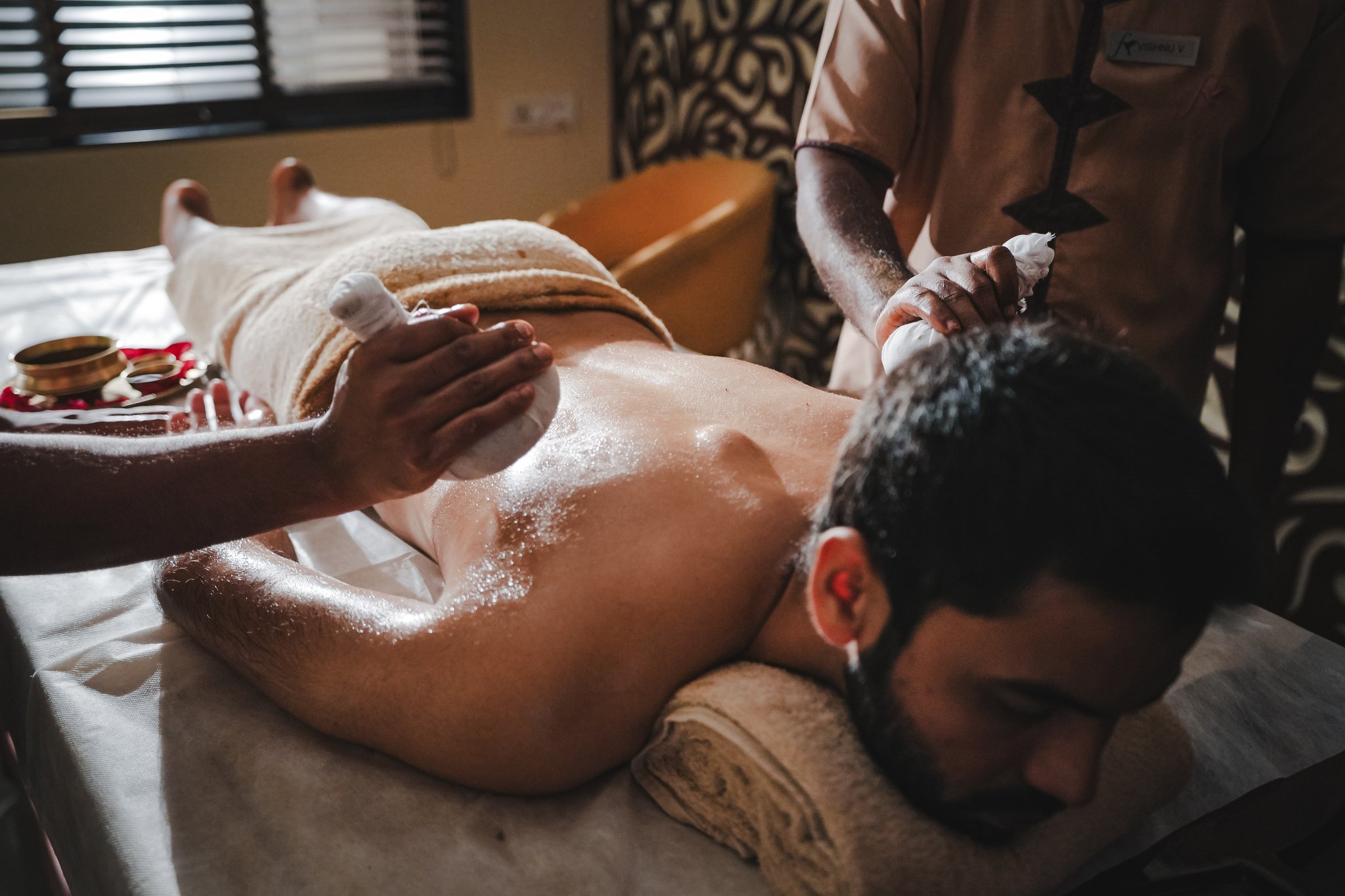
- therapies chosen to help the nervous system downshift
- consultation-led pacing so the body is not pushed
The retreat is not a performance.
It is a protected recovery environment.