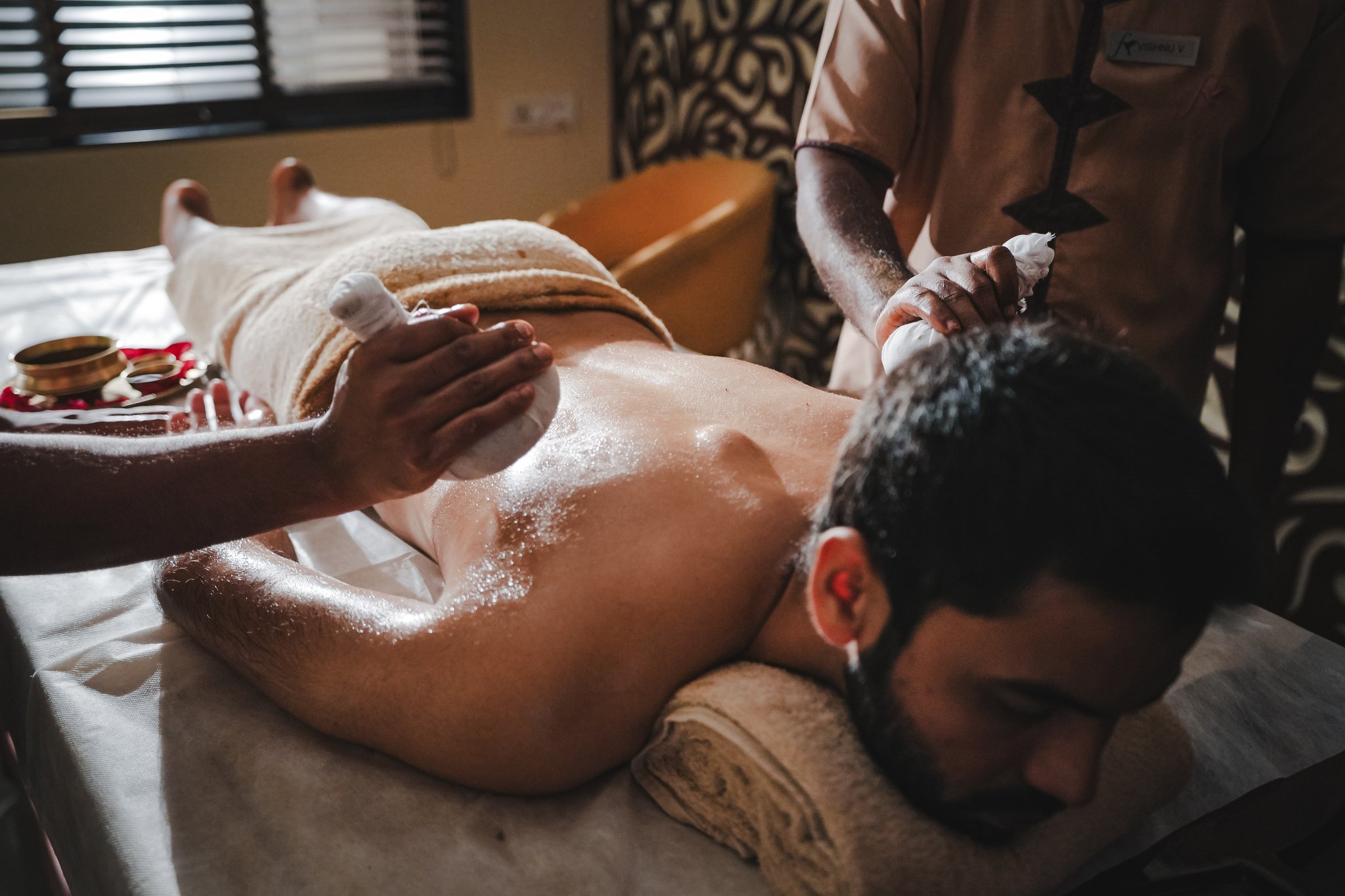
Part 11: Yoga, breath, and meditation through an Ayurvedic lens
Ayurveda does not treat movement as “one workout fits everyone”.
It treats movement the same way it treats food:
What helps one person can disturb another.
Some people need more grounding.
Some need more cooling.
Some need more activation.
This chapter gives you a simple way to choose movement that matches your current state, using the dosha lens you already learned.
This is not a full yoga manual.
It is a practical guide to choosing the right direction.
A gentle safety note
This chapter is educational. It is not physiotherapy advice.
If you have injury, chronic pain, spinal issues, dizziness, heart conditions, pregnancy, postpartum recovery needs, or anything that makes you cautious, speak to a qualified clinician and move gently.
If movement causes sharp pain, numbness, weakness, chest symptoms, or worsening symptoms, stop and get professional advice.
Why “dosha-friendly movement” matters
Modern movement culture often pushes two extremes:
- Too intense, too often
- Too sedentary, too long
Both can disturb the system.
Ayurveda aims for a middle path:
Movement that supports digestion, circulation, joints, mood, and sleep, without pushing your nervous system into overload.
The right movement should leave you feeling:
- clearer
- warmer or cooler as needed
- more stable
- less tense
- more connected to your body
Not depleted and wired.
The simplest movement rule in Ayurveda
Match movement to your current qualities.
If you feel:
- dry, anxious, scattered → choose grounding and steady movement
- hot, reactive, intense → choose cooling and calming movement
- heavy, foggy, sluggish → choose activating and warming movement
This works because you stop fighting the system.
You support it.
Vata-friendly movement (grounding, steady, warm)
Vata patterns often show up as:
- restlessness and anxiety
- light sleep
- irregular digestion
- dryness and stiffness
- scattered attention
- “tired but wired”
What Vata tends to need from movement
- steadiness over intensity
- warmth and gentle strength
- slower pace and rhythm
- longer warm-up
- calm breathing
Movement styles that often suit Vata
- walking, steady and rhythmic
- gentle yoga with longer holds and fewer fast transitions
- mobility work and joint circles
- slow strength work with good rest
- stretching that feels soothing, not aggressive
What can aggravate Vata
- intense intervals when you are already stressed
- overtraining without recovery
- high-impact movement on dry stiff days
- late-night workouts that spike nervous system tone
A simple Vata routine (15 to 25 minutes)
- 2 minutes slow nose breathing
- 8 minutes gentle mobility (neck, shoulders, spine, hips)
- 10 minutes walking or slow yoga flow
- 60 seconds feet grounding, 6 breaths
Vata thrives on repeatable movement, not heroic sessions.
Pitta-friendly movement (cooling, calming, less competitive)
Pitta patterns often show up as:
- intensity and drive
- irritability when stressed
- heat and inflammation tendencies
- reflux or burning digestion at times
- pushing hard, then crashing
What Pitta tends to need from movement
- cooling and steady pace
- less competitive mindset
- breath-led rhythm
- less overheating
- movement that feels refreshing, not aggressive
Movement styles that often suit Pitta
- walking in cooler times of day
- swimming or water-based movement if available
- yoga that is steady and breath-led
- cycling or moderate cardio without pushing to exhaustion
- mobility and stretching with calm focus
What can aggravate Pitta
- hot rooms and overheated training sessions
- intense competitive workouts when already stressed
- spicy late dinners plus late workouts
- using exercise to burn anger rather than calm the system
A simple Pitta routine (15 to 25 minutes)
- 2 minutes slow breathing
- 10 minutes steady walking or gentle yoga
- 5 minutes stretching hips, chest, shoulders
- 60 seconds quiet sit, eyes soft, 6 breaths
Pitta does best when movement reduces heat in both body and mind.
Kapha-friendly movement (activating, warming, momentum-building)
Kapha patterns often show up as:
- heaviness and sluggishness
- foggy mornings
- low motivation
- congestion tendencies
- comfort eating patterns
- stiffness that improves once you move
What Kapha tends to need from movement
- activation, especially earlier in the day
- consistency and momentum
- gentle sweat and circulation
- movement that feels energising, not exhausting
Movement styles that often suit Kapha
- brisk walking
- morning yoga with more flow
- strength training with moderate effort
- cycling, hiking, dancing, sport you enjoy
- anything that creates steady warmth and movement
What can aggravate Kapha
- long sedentary days
- heavy dinners then no movement
- lots of naps that reduce motivation further
- waiting to “feel ready” before moving
A simple Kapha routine (15 to 25 minutes)
- 2 minutes brisk walk or marching in place
- 10 minutes walk with a faster pace
- 5 minutes bodyweight strength (squats, wall push-ups, bridges)
- 2 minutes breath to settle after
Kapha benefits from a daily movement habit more than from rare intensity.
The best time of day to move (simple guidance)
- Morning movement often supports Kapha and builds momentum.
- Midday movement can support digestion and mood.
- Evening movement is fine if it’s gentle and does not disturb sleep.
If sleep is fragile, avoid intense workouts late at night.
If anxiety is high, avoid late intense workouts.
If heaviness is high, morning movement helps most.
The non-negotiable movement that fits almost everyone
If you want one universal practice, choose this:
Walk 10 minutes after a meal.
It supports:
- digestion
- circulation
- mood
- sleep later
- less heaviness
This is one of the simplest ways to make Ayurvedic living real.
Try This: the 7-day dosha-friendly movement experiment
For 7 days:
- Choose your dominant pattern today: Vata, Pitta, or Kapha
- Choose movement that matches it:
- Vata: grounding and steady
- Pitta: cooling and calm
- Kapha: activating and warming
- Walk 10 minutes after one meal daily
- Protect your sleep runway (screens down before bed)
Track:
- sleep depth
- digestion comfort
- mood steadiness
- energy recovery
If these improve, your movement is working as medicine.
Ask your Vaidya: questions that personalise movement
- Which pattern is most dominant for me right now?
- What movement style suits my constitution and current state?
- Are there movements I should avoid right now due to pain or imbalance?
- Should my focus be walking, yoga, strength, or mobility first?
- What would a safe 21-day movement plan look like for me?
How Fazlani Nature’s Nest can apply this
A retreat movement plan should not be generic.
It should:
- match the guest’s state
- support therapies and digestion
- protect sleep
- build confidence and function
- feel realistic to continue at home
Dosha-friendly movement is not a theory.
It is how you keep the retreat benefits alive in daily life.