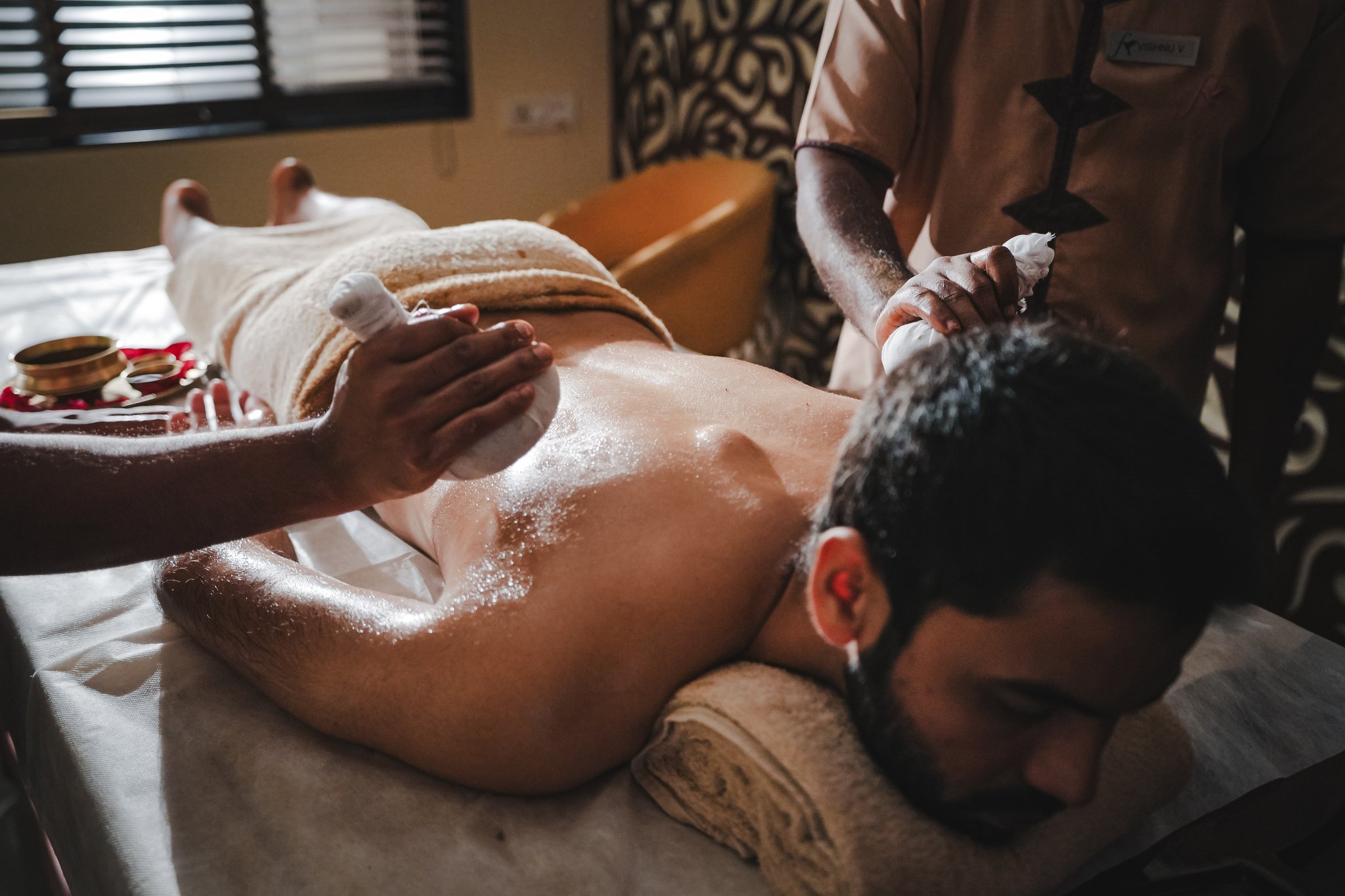
Part 8: Panchakarma in depth
Panchakarma is one of the most famous parts of Ayurveda, and also one of the most misunderstood.
Some people treat it like a trendy detox.
Some people treat it like a spiritual badge.
Some people treat it like a guaranteed cure.
A responsible Ayurvedic view is calmer:
Panchakarma is a structured, classical process that can support cleansing, digestion, rest, and recovery when it is chosen for the right person, at the right time, with the right supervision.
This chapter helps you answer one question safely:
Is Panchakarma appropriate for me right now?
A gentle safety note
This chapter is educational. It does not diagnose you, and it does not tell you what to do medically.
Panchakarma should be consultation-led and supervised by a qualified Ayurvedic Medical Clinician, especially if you have any medical condition, take medication, are pregnant, breastfeeding, or have had recent surgery.
If you have severe symptoms, urgent symptoms, chest pain, breathing difficulty, fainting, persistent fever, heavy bleeding, severe mental health symptoms, or anything that feels unsafe, please seek medical care first.
Why suitability matters
Panchakarma is not “just a massage week”.
It can involve dietary restriction, internal procedures, increased rest, changes in elimination, and strong shifts in nervous system tone.
That means two things can be true at the same time:
- It can be deeply supportive in the right person.
- It can be too much, too soon in the wrong person.
Ayurveda does not want you to push through.
It wants you to be ready.
The simplest way to understand readiness
A useful “Ayurveda professor” rule of thumb:
If you cannot recover from normal life, do not try to cleanse harder.
When the system is depleted, the first job is usually to stabilise and rebuild.
That is often shamana work: food, rhythm, sleep, gentler therapies, and digestion support.
Panchakarma becomes a better option when:
- your digestion has some steadiness
- your sleep is not collapsing nightly
- your nervous system can downshift
- you have enough reserve to rest and recover properly
Who Panchakarma may suit
There is no perfect “one list fits everyone”. Here are common situations where an Ayurvedic doctor may consider Panchakarma, depending on the person’s strength and history.
1) Recurrent heaviness and sluggishness that does not shift with simple changes
This can look like:
- feeling heavy after meals most days
- recurring sluggish appetite
- foggy mornings and sticky fatigue
- congestion patterns that persist
- a sense of being “loaded” even with a decent diet
An Ayurvedic doctor will still screen carefully because heaviness can have many causes.
2) Chronic digestive strain with build-up patterns
This can look like:
- bloating, heaviness, irregular appetite
- sluggish elimination or incomplete elimination
- recurring coating on tongue and morning fog
- symptoms that flare with stress and irregular eating
A mature clinician will still check for red flags and may suggest stabilisation first.
3) Stress and burnout patterns where the body is “stuck”
Some people do not feel only tired. They feel stuck.
- sleep is light
- the mind is busy
- the body feels tense and heavy at the same time
- cravings rise because the nervous system is seeking comfort
In these cases, a doctor may choose a very gentle, structured programme, and sometimes Panchakarma is not the first step. Often the first step is calming and rebuilding.
4) Seasonal reset when the person is stable enough
Some people use a structured reset seasonally, especially around transition periods, if they are strong enough and well supervised.
This is not a lifestyle fashion. It’s a clinical timing choice.
5) People who can actually rest
This sounds simple, and it matters a lot.
Panchakarma often suits people who can:
- sleep properly during the programme
- reduce work and stimulation
- follow dietary guidelines
- rest after procedures
- avoid intense workouts and heavy social activity
If you can’t rest, the process often becomes less helpful.
Who should not do Panchakarma right now
This list is not fear. It is safety.
Do not do Panchakarma without strong medical supervision if any of these are true
- Pregnancy or breastfeeding
- Recent surgery, ongoing recovery, or major medical procedure in the recent past
- Fever, acute infection, or feeling unwell right now
- Severe anaemia, severe weakness, very low body weight, or clear depletion
- Unstable blood pressure issues, cardiac symptoms, fainting episodes, or severe dizziness
- Kidney or liver disease, or significant abnormal lab results (unless managed integratively with medical oversight)
- Active ulcerative digestive disease or severe IBS flare-ups without medical assessment
- Severe depression, panic, trauma symptoms, addiction, or any mental health situation where stability is not present
- Eating disorder history or current restrictive eating patterns
- Uncontrolled diabetes or other endocrine conditions without medical supervision
- Blood thinning medication or bleeding disorders (requires careful clinical decision-making)
This does not mean you are “not allowed” Ayurveda.
It means the first step is usually stabilising support, not deep cleansing.
Who should delay Panchakarma
Some people are not “never”, they are “not yet”.
You may want to delay if:
- Sleep is currently very poor and unstable
- Appetite is weak or confused most days
- Anxiety is high and you feel constantly overstimulated
- You are in a life crisis season (grief, major work pressure, relationship crisis, heavy travel)
- You cannot protect the post-care period (the days after matter a lot)
- You are in a very heat-aggravated phase (high acidity, high inflammation, rashes, strong irritability) and the plan is not designed to cool and stabilise first
In these cases, the most intelligent move is often:
Get steady first. Then cleanse if needed.
The “green flags” for readiness
Panchakarma is more likely to be appropriate when several of these are true:
- You can sleep reasonably well most nights
- You can follow a calmer routine for at least 1 to 2 weeks
- Your digestion is not collapsing daily
- You have a clear appetite signal at least once per day
- Elimination is regular enough that the system is not severely stuck
- You feel stable enough emotionally to handle rest and quiet
- You can reduce work and stimulation during the programme
- You have no major medical red flags, or you have medical clearance where needed
You do not need to be perfect.
You do need enough stability to benefit.
Why the same person may be “yes” at one time and “no” at another
This is one of the most important Ayurveda truths:
Suitability changes.
A person might be ready after:
- a month of steadier sleep
- improved digestion rhythm
- reduced stress load
- nourishment and strength-building
And not ready during:
- intense travel
- poor sleep months
- postpartum changes
- after illness
- during major work pressure
This is not failure.
This is timing.
Questions to ask any provider before you commit
If a centre cannot answer these clearly, that is a red flag.
Screening and safety
- How do you screen for suitability (medical history, medication, surgery, pregnancy, chronic conditions)?
- What are the clear “no” situations where you would delay or modify the plan?
- Who oversees the programme clinically, and how often are check-ins done?
Personalisation
- How is the plan personalised to my constitution and current state?
- What happens if I feel weak, dizzy, anxious, overheated, or unwell during the programme?
- How do you adjust procedures if the body is not responding well?
Aftercare
- What does the post-care period look like?
- How long should I follow the recovery diet and routine?
- What should I avoid after the programme so the benefit does not collapse?
Measuring progress
- What changes do you expect to see first: sleep, appetite, elimination, mood, energy?
- What would count as a warning sign in my case?
A good provider welcomes these questions.
Try This: a gentle “readiness check” (3 minutes)
Ask yourself honestly:
- Can I protect sleep for the next 14 days?
- Can I simplify meals and eat on time for the next 14 days?
- Can I reduce stimulation (screens, late work, intense social activity) for the next 14 days?
- Can I rest after therapies and not rush back into intensity?
- Do I have any medical factors that need clinician input first?
If you answer “no” to most of these, the most powerful next step is not Panchakarma.
The most powerful next step is building rhythm first.
The Fazlani Nature’s Nest approach to suitability
At Fazlani Nature’s Nest, Panchakarma should never be sold as a generic package.
The standard should be:
- consultation-led assessment
- personalised plan
- gentle progression
- careful monitoring
- clear aftercare
When this is done properly, the experience feels:
- calm
- safe
- supportive
- human
Not extreme.